
Cylinder temperature nozzle temperature and smelting time control
Release time:2026-09-20
Through rational temperature gradients and time management for stay, to avoid a false lack of material flowing black dots and material decomposition. This paper gives recommendations for actionable abbreviators in terms of material properties, temperature, speed, pressure, cooling and common defects.
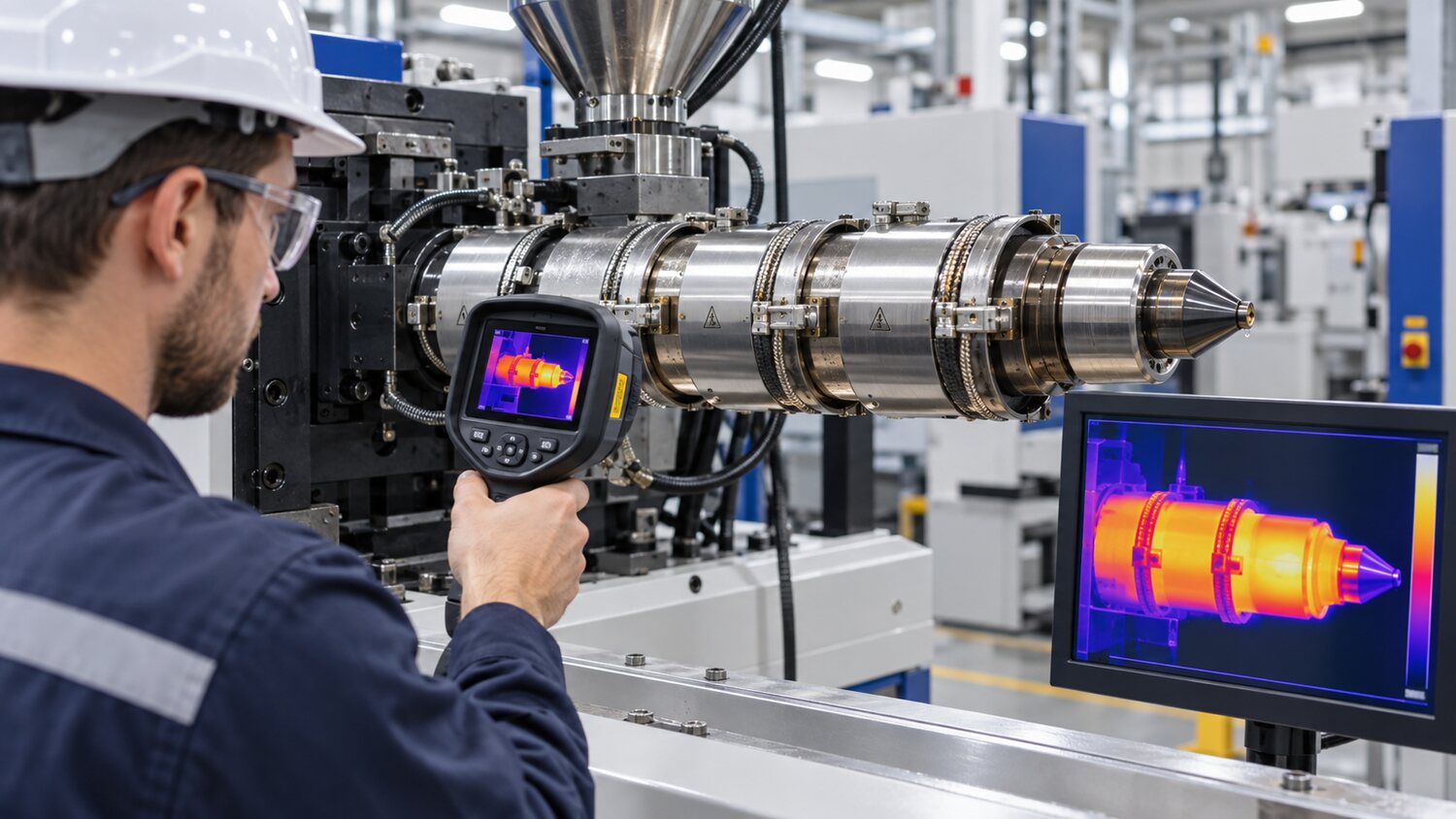
The temperature of the drum is the basis for providing the conditions for melting, but the set value on the screen is not equal to the true melting temperature when the resin leaves the nozzle. The particles will also be cut and heated during the rotation of the screw, and the back pressure, turn speed, screw structure and measurement process will change the actual temperature rise. The switchboard should therefore start with reference to the material supplier's card number data sheet to establish the starting temperature of each sector and then verify it in conjunction with the time of plasticization, the nozzle bar state and the required melting temperature. If short-shots are addressed by higher temperatures without the testing of mouths, vents and injection speeds, this may lead to overheating of the material's remaining areas, followed by yellow changes, silver silk and black spots.
The temperature gradient shall be consistent with the material delivery characteristics. It is usually necessary to ensure that the particles are delivered smoothly, that the particles may be softened too soon, that they slide at the feed entrance or that a bridge is mounted; that the compression segment is responsible for the main melting and temperature setting should avoid local overloading; and that the measurement segment and nozzles remain even and do not form cold plugs. Low nozzle temperatures can generate colds, lacerations or higher gel pressure, and can be too high for salivation, carbon accumulation and degradation. For thermal flow moulds, it is also necessary to check whether the nozzles and thermal stench temperatures are compensated for each other, and not all regions can be set to a single value.
Staying time is a variable that is often overlooked in temperature management. Small products use large drums, frequent stopovers, large heat-flow capacity or abruptly slow production rhythms, which cause materials to stay too long at high temperatures. Thermally sensitive resins, fuel retardants, POM, PVC and partially transparent materials are particularly vulnerable to decomposition or colour changes. In case of a prolonged shutdown, cooling, emptying or the use of suitable cleaning materials shall be carried out in accordance with the material requirements; when re-opening, sufficient quantities of old materials shall be discharged to confirm that the colour, odour and molten state are normal and then remodelled. Consistency is also checked for different materials, and POM and chlorine-containing materials should not be washed directly to avoid a hazardous decomposition reaction.
If temperature shows stability but the product is cyclically unmelted, black dots or dark colour changes, the heating ring exposure, thermal electromechanical position, wind-cooling, screw surface attachments and the end of the material drum should be examined. Griding of the screws or anti-reverse components also alters the cut-off and return flow, rendering the otherwise eligible temperature programme ineffective. The final temperature setting shall be for the purpose of smouldering, timely plasticization, non-decomposition of materials and product performance, and shall be written together with the maximum allowed stay time. This allows for a clear line of disposal at the site when shifts, pauses and irregular returns occur.