
PS and HIPS particle characteristics and look-out machine recommendations
Release time:2026-09-20
Comparison of generic-level PS and HIPS transparency, resilience and cut performance, optimizing appearance and size. This paper gives recommendations for actionable abbreviators in terms of material properties, temperature, speed, pressure, cooling and common defects.
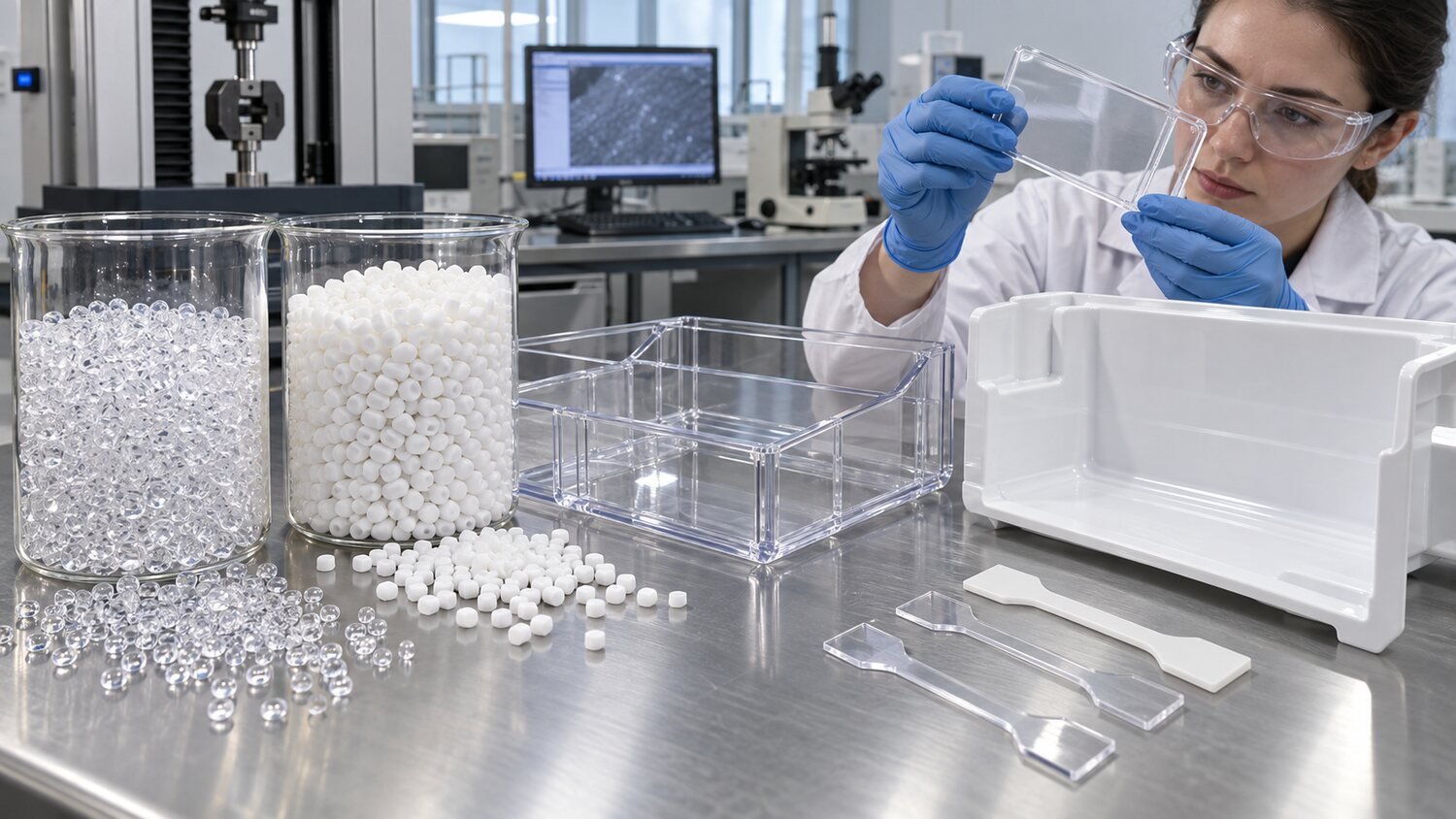
Generic-level PSs are usually transparent, rigid and stable in size, but less resilient; HIPCs are more shock-resistant through rubber modification, often untransparent in appearance, and are often used for household appliances, packaging, stationery and disposables. Both are non-stereotyped materials, and constriction is relatively easy to control, but sharp angles, internal stress and irrational overturn can lead to fragmentation. The processing requirements for different high-light, flame-retarding or food contact plate numbers are different, with pre-production checks of card numbers and regulatory uses, and feedbacks to avoid mixing incompatible materials or excessive dust.
The PS is generally more mobile, and the temperature and speed of injection can start from a medium range. Too slow to produce visible flow marks and melting wires, and too soon to pass through small waterstretch can result in spray threads, burning and molecular orientation, increasing the risk of cracking. The back pressure is sufficient to stabilize the mix and exhaust, and the high back pressure and turn speed increases the shearing. Transparent PS is more sensitive to black spots, pollution and gas stripes, and should keep drums, nozzles and hot-flow channels clean, and avoid yellowing due to excessive stay.
The HIPS contains a rubber phase, which may affect the impact and surface of an overcut or heat history. Large exteriors should maintain stable injection rates and even temperatures and reduce light differentials and movement marks. Products such as chickens in refrigerators, thin wall trays, etc., are also subject to wall thickness, watering and vacuum formation or rear assembly requirements. The pressure should be based on the size and condensity of the water, and excessive pressure increases the stress and local bleaching. In the case of a product that breaks at a screwdriver, pint or sharp angle, the cone of the structure, the position of the melting line, the temperature of the moot and the top shall be checked and not replaced by a higher pressure.
PS and HIPS are relatively easy to change, but it is still possible to bring continuous contamination from the dead end of the screws when the dark color is light and the fuel is blocked for general use. The screws should provide uniform, non-excessive plasticization, and the antireverse ring seals should be stabilized to avoid fluctuations in weight and size. When PS is produced in a transparent manner, if there are random black spots, it should be divided between raw materials, thermal currents and the sources of plastic components. The final process shall include drops, assembly, stress cracks and the use of temperature tests, in addition to identifying the exception. For thin-wall high-speed products, it is necessary at the same time to test the ability of the screw to plasticize to keep up with the cycle and to prevent long-term high-turn speeds in pursuit of production.