
PC Polycarbonate Particle Characteristics and Translucency Modifier Recommendations
Release time:2026-09-20
Optimizing PC transparency and structure formation around strict drying, high viscosity, high temperature stay and residual stress. This paper gives recommendations for actionable abbreviators in terms of material properties, temperature, speed, pressure, cooling and common defects.
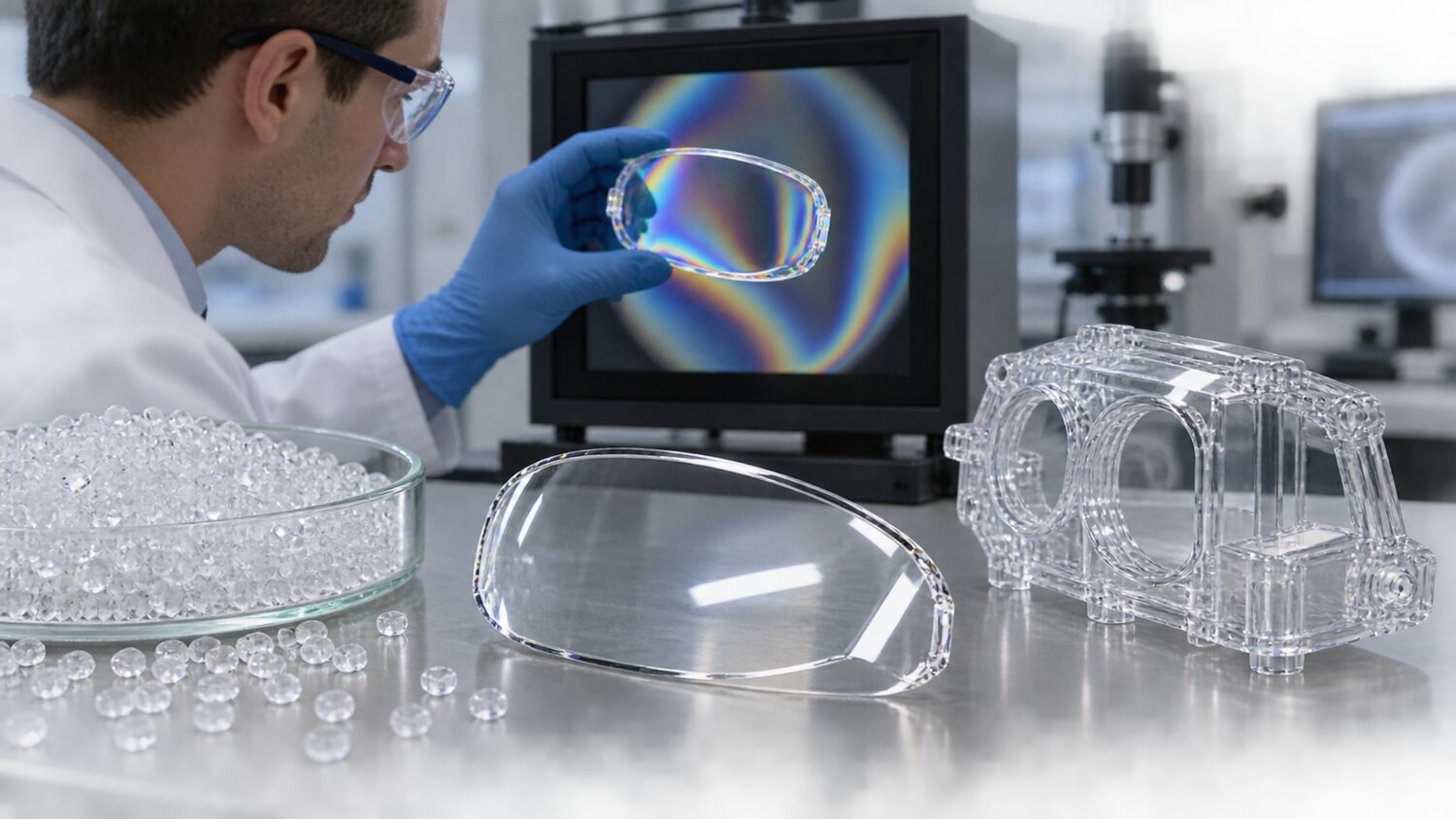
The PC is high-impact, heat-resilient and transparent and is often used for lamps, transparent windows, medical casings and high-strength structural components. Its molten viscosity is high and sensitive to the moisture; a number of its are dry and hydrolysis occurs at high temperature, with silver silk, bubbles, reduced strength and colour changes. Dry temperature, time, spot and post-dry exposure time must be based on a card-specific data sheet. The extension of normal hot wind drying times is not always effective, and water is re-upgraded by equipment leaking, wind-back-filter congestion or inhaling wet air in the pipeline.
The PC usually requires higher melting temperatures and sufficient mosaic temperatures to improve mobility and reduce the impact of the freeze, but the temperature cannot increase indefinitely. When the amount of glue is too small, the stoppage is waiting or the heat stream is too large, the material can easily stay long and yellow or produce black spots. The switcher shall first select the drums and screws that match the product's voltage, and shall use lower to medium screw rotation, moderate back pressure and stabilization measures to control the shearing heat. The nozzles and hot-flow channels shall be kept to the point where they are to be operated and shut down, as required by the plate number, for cooking or cooling.
Transparent PCs need to be injected at a speed that combines reproduction and stress. Faster filling will help to reduce flow marks and melting lines, but overcuting through small sips, thin walls or tipping can result in watering mouths with bleaching, mist tattoos and local overheating. Divisional speeds can be used to maintain a steady flow in the main exterior and to slow down as it approaches the end and vents. The pressure is designed to eliminate the condensation and ensure size, and is too high or too long to lock the residual stress in the product. Transparents should be certified in combination with photometric or stress-opening tests, actual assembly and subsequent coating requirements, and not be judged solely by the transparency of the naked eye.
In the case of short-shots of PC products, injection pressure and temperature should not be pushed to the limit. The material should be checked for water, vents, temperature, waterways, exhausts, actual velocity limits and reflows of reverse rings. The high-temperature processing of PCs has high requirements for the surface mass and flow continuity of the screws, and the low-compression, non-mortem-free screws for high-glue resins help to reduce local overheating. A product-based PC or PC alloys also need to consider wear and tear and cut sensitivity of different components. Finally, drying, maximum stop time, melting temperature, temperature and shutdown procedures should be integrated into the process criteria.