
Medical consumables and medical casings.
Release time:2026-09-20
Starting with material traceability, clean control, size repetition and validation requirements, a medical retrofitting method. This paper gives recommendations for actionable abbreviators in terms of material properties, temperature, speed, pressure, cooling and common defects.
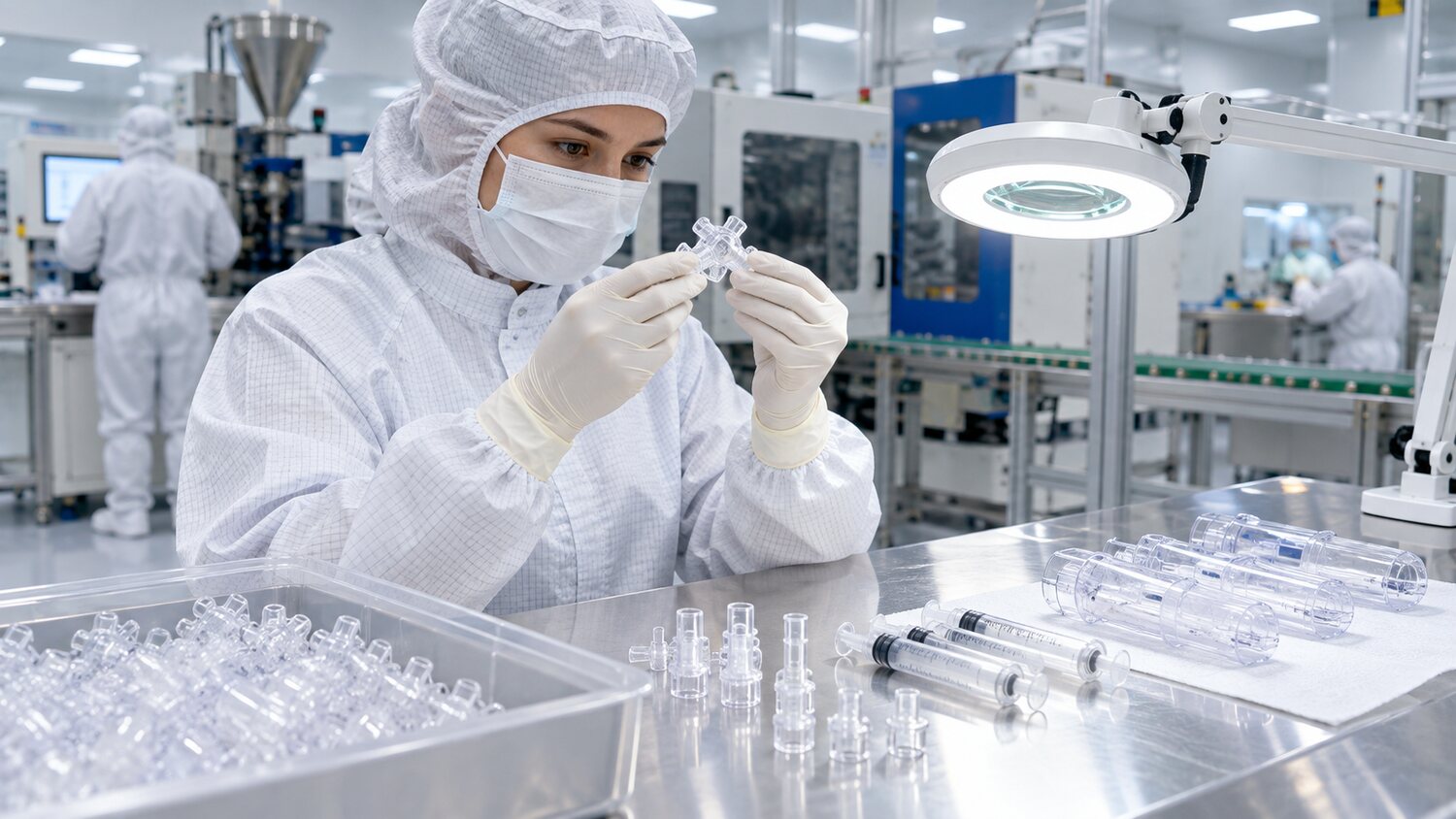
Medical retrofits may use medical grade PP, PE, PC, ABS, TPE or specialized engineering materials, and include one-time consumables, connections, transparent cavities, instrument casings and soft and hard rubber components. The switchboard is first to comply with the approved systems of materials, colours and suppliers, and cannot be randomly changed or refuelled to improve mobility. Raw material batches, drying, cleaning of equipment, maintenance of moulds and version of parameters all require traceability. For clean environmental production, bagging, transport, man-made and lubricants should also be controlled to avoid particulate and microbial contamination.
Process-building should take precedence over the pursuit of the shortest cycle. Stable velocity pressure switching is established by short-shot to determine filling order and speed segment; effective pressure retention time is determined by mass platform; cooling time is certified by size and demodel status. Transparent cavities control moisture, black dots and residual stress, while hoses and seals focus on melting wire strength, fur edges and leaks. In the case of physical defects that occur only after a long period of shutdown, the material stopover, clean-up and re-entry procedures should be checked, rather than a direct relaxation of the inspection.
Medical products are particularly sensitive to fur edges and particles. Flying edges may affect seals, flow lanes or patient exposure safety and should be treated in a combination of switching, voltage, locking, wear and exhaust. Excessive lock-molecular power reduces exhausts and increases burning, and excessive pressure may increase internal stress. For precision Roor interfaces, valves or thin membrane structures, the weight, peak pressure and key size trends of the product should be monitored; multi-caving products must compare cavity differences and cannot replace single cavity stability by total weight.
Equipment should avoid the production of degradation products by the end of the screws and drums, and the refuelling procedure must be confirmed. Equipment used for transparent or cleaner products shall control the residues of the former material, clean-up and lubricants. Process changes, screw replacements, mold repair or adaptation of drying equipment usually require recertification by quality system. The parameters of this paper can only serve as a modem, and actual production is subject to material technical information, product risk assessment and applicable regulations. Qualification criteria should include functional, dimensions, leakage, intensity, biological or chemical-related certification and not only physical conformity.