
Compression and cut control for PC and PMMA transparency
Release time:2026-09-20
Transparent products leave bubbles, black dots, yellow changes, silver silks and melting temperatures, so the compression process must be clean and stable. From the principles of work, selection conditions, common risks and validation methods, the compression ratio and cut control of PMMA transluent materials in PC and PMMA are shown, helping to stabilize plasticization and reduce the full life cost of screw drums in retrofitting plants.
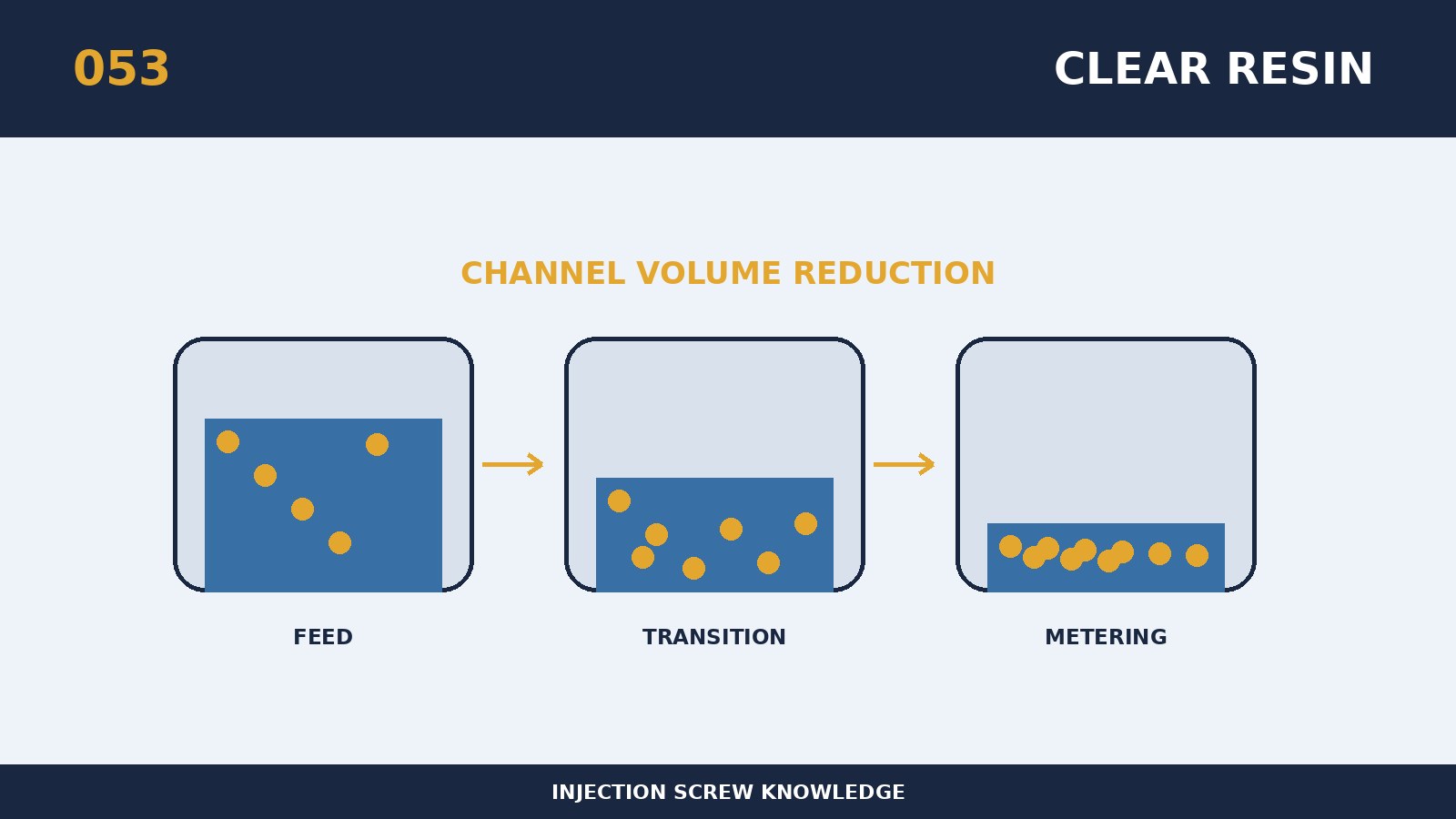
In the screw selection or failure analysis, the compression ratio and cut-off control of PC and PMMA transparency material are often simplified as a specification value, but in practice need to be explained in conjunction with the full performance. At its core are transparent products that leave bubbles, black dots, yellow changes, silver silks and melting temperatures, so the compression process must be clean and stable. The higher viscosity of the PC and its sensitivity to moisture and the high appearance of the PMMA make it inappropriate to rely on extreme cutting compensation. Compression ratios must be understood in conjunction with the length of the compressed segment, the conductor, the depth of the tank, the back pressure and the material flow, and the individual comparison is easily miscalculated. The retrofitting of old machines could begin with the re-establishment of the existing superstitious model, which compares the volume, intensity and heat history of old and new programmes with the same benchmark. Nominal specifications are therefore only the starting point, and the final conclusions must serve the actual resin, product and volume rhythm.
When customizing around “compression ratio and cut control of PC-PMMA transparency material”, first collects the size of the equipment model, the original screw and the material drum, the driving power, the resin number and the filling system, the single mass, the cycle and existing defects. The specific selection principles for this topic are that the compression ratio, the length of the compression segment, the pronunciation, the roughness of the surface and the length of stay are to be controlled at the same time. The refuelling or recoloring process is subject to a separate assessment, as residuals, clean weights and opening black spots can expose dead corners that are not readily visible in steady-state production. The technical agreement should include quantifiable provisions for size benchmarks, key communications, material status and acceptance methods so that new, old and subsequent restorations can be compared under the same criteria.
The most important defence against the failure of the subject is that over-compression and local demurrage can cause yellow to black spots, and that under-compression leaves bubbles and unmelted marks. When the size is still satisfactory and performance is abnormal, the same axiality, roughness of the surface, partial loss of coatings and thermal deformation are also examined and not only the outer diameter. For on-site processing, only one main variable is changed each time and the measurement time, twist, melting temperature, mat, injection pressure and product weight are aligned to the same pattern. If production is to be sustained by excessive temperature, turn speed or back pressure, the use of parameters to mask structures, wear or collage should be discontinued.
Validation of “compression ratio and cut control of PC and PMMA transparency” can be used as a replicable option: a comprehensive assessment of the state of light, fog, black dot count, smelting temperature, drying records and cleaning. The first data is stored as a baseline for the equipment, and each subsequent maintenance is based on the same material number, quantity and sampling method in order to be able to detect a drift. Inquiries to suppliers should also be accompanied by information on resins and fillings, risk of flame retardation or corrosion, total weight of products and fluids, photographs of available screws and equipment curves. The programme is considered to have a stable engineering value when the detection data, the good product rate, the timing of the switch and the unit cost of the eligible goods are improved.