
The value of 22 to 1 to 24 to 1 long-range against engineering plastics.
Release time:2026-09-20
Long effective length allows for fuller preheating, melting and temperature equalization of engineering plastics and reduces local compression mutations. From the principles of work, selection conditions, common risks and certification methods demonstrate the value of 22 to 1 to 24 to 1 long-ranges to engineering plastics, helping to stabilize and reduce the full life cost of screw drums in plywood plants.
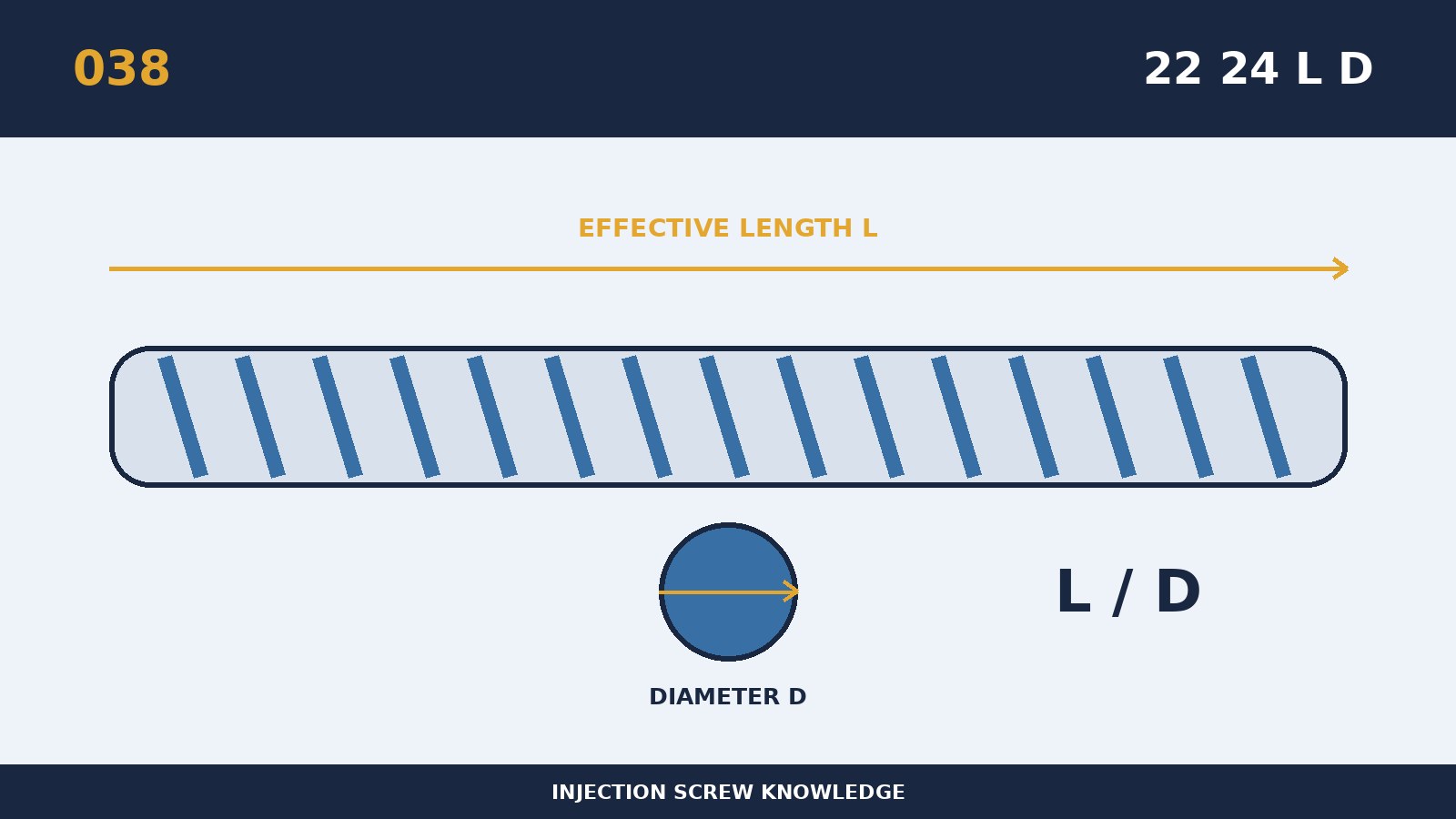
In the screw selection or failure analysis, the value of the 22-1 to 24-1 long-range ratio to engineering plastics is often simplified as a specification value, but in fact needs to be explained in conjunction with the full performance. Its core is a long effective length that allows for fuller preheating, melting and temperature equalization of engineering plastics and reduces local compression mutations. For high-melt point or viscous materials, smooth melting is usually more stable than simply increasing the temperature of the drum. The long-range ratio is only a geometric entry, and what really determines is the effective length, distribution of the functional segments, actual production and material heat history. A usable manufacturing map is not only a common name, but also a signal, a measuring transect, a surface state and a receiving and inspection belt to accompany the drum. Nominal specifications are therefore only the starting point, and the final conclusions must serve the actual resin, product and volume rhythm.
When customizing around the value of "22:1 to 24:1 long-range compared to engineering plastics", the equipment model, original screws and material drums are first collected for measuring size, driving capacity, resin number and filling system, single mass, cycle and existing defects. The specific selection principles for this topic are: the choice of 22 to 24 times as opposed to 1 time for the retention of the core, the rigidity of the screw, the space on the platform and the actual amount of glue. Precision is recommended to track the mass, critical size and pressure exchange points of the product at the same time in order to distinguish between the fluctuations in plasticization and the effects of the mould or hydraulic system. The technical agreement should include quantifiable provisions for size benchmarks, key communications, material status and acceptance methods so that new, old and subsequent restorations can be compared under the same criteria.
The most needed to guard against the failure of the subject is that small-jelling gels with super-long screws can exacerbate the heat history and, if not properly structured, may simply increase friction and costs. If abnormalities occur only in one of the resins, they should focus on their viscosity, filling, corrosiveness and recommended temperature and should not be directly classified as mechanical failure. For on-site processing, only one main variable is changed each time and the measurement time, twist, melting temperature, mat, injection pressure and product weight are aligned to the same pattern. If production is to be sustained by excessive temperature, turn speed or back pressure, the use of parameters to mask structures, wear or collage should be discontinued.
Validation of the value of “22 to 1 to 24 to 1 long-range ratio to engineering plastics” can be used as a replicable option: to validate the proceeds through a melting temperature difference, unmelted points, product mechanics and long-cycle colour changes. The point of review of continuous production should be triggered by production or tonnage of raw materials, which would better reflect the true load of the screw than a mere calendar time. Inquiries to suppliers should also be accompanied by information on resins and fillings, risk of flame retardation or corrosion, total weight of products and fluids, photographs of available screws and equipment curves. The programme is considered to have a stable engineering value when the detection data, the good product rate, the timing of the switch and the unit cost of the eligible goods are improved.