
The calculation of the spiral diameter and the amount of time the material stays
Release time:2026-09-20
The duration of the stay of the material depends on the melting capacity of the drum, the amount of consumption per model, the plastic rhythm and the stoppage, rather than the fixed value. Calculated from the principles of work, selection conditions, common risks and certification methods that indicate the length of stay of the screw diameter and materials, help to stabilize plasticization and reduce the full life cost of the screw drums in the pyrotechnics.
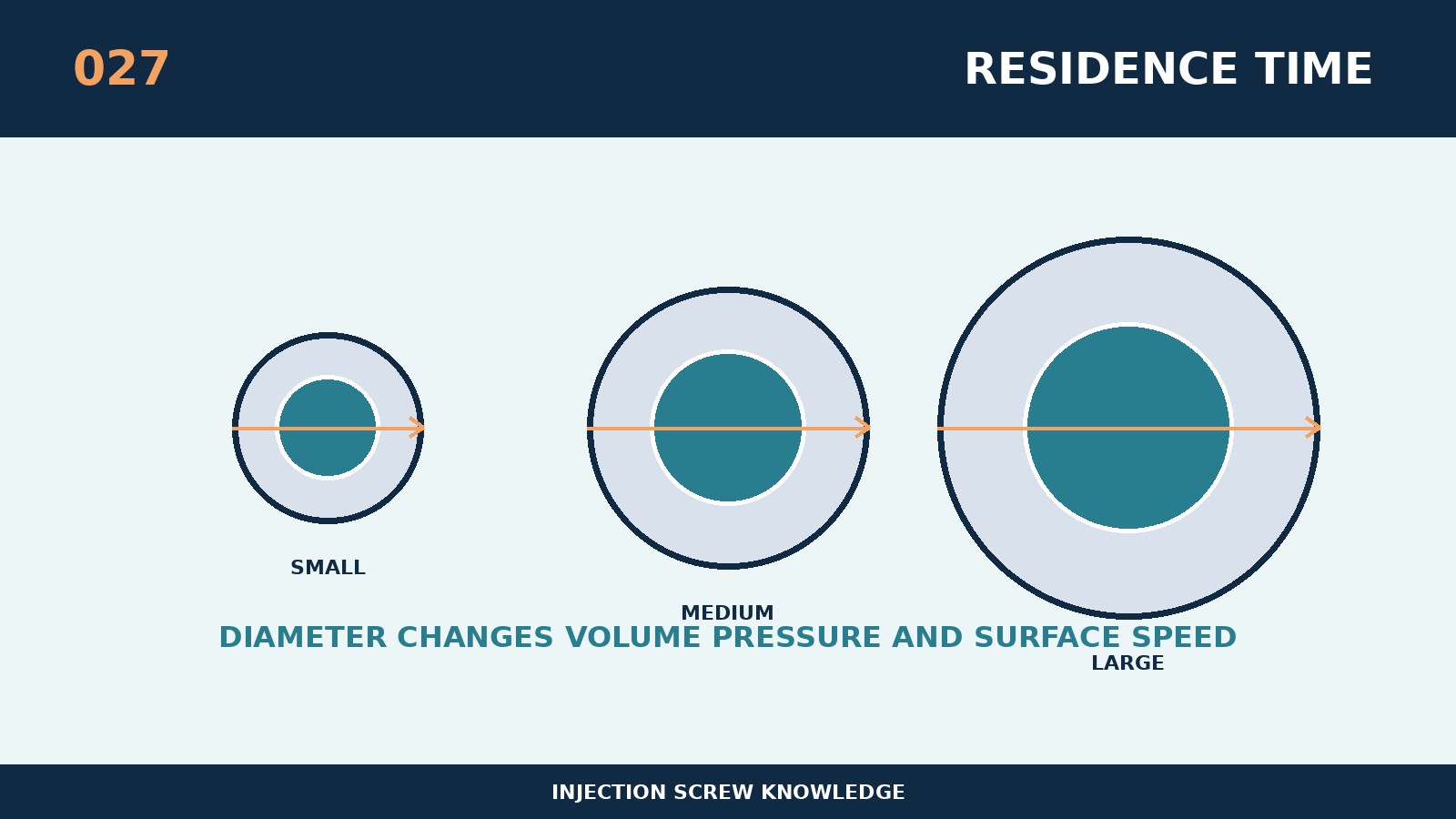
The calculation of the screw diameter and the time of the material's stay is not an isolated parameter, but a key condition for influencing delivery, temperature rise, pressure and repetition in the plasticization system. The core is that the duration of the material's stay depends on how much of the material can be melted, per model consumption, plasticization rhythms and stoppages, rather than fixed values. Large diameter screws with small products are slowly updated and thermal history is likely to accumulate significantly. The choice of diameter involves both reductive resolution, pressure capacity, plasticization, stop time and driver load and cannot be judged by product weight alone. If the same platform is to cover a variety of resins, the three extremes that are the most difficult to melt, the most afraid of cutting and the most susceptible to degradation are applied separately. Nominal specifications are therefore only the starting point, and the final conclusions must serve the actual resin, product and volume rhythm.
When customizing around "the calculation of the diameter of the screw and the time of the material's stay", first collects the size of the equipment model, the original screw and the material drum, the driving power, the resin plate number and the filling system, the sum of the single simulator, the cycle and the existing defects. Specific selection principles for this topic are: heat sensitivity, flame retardation, transparency or oxidizing material should prioritize the accounting of the update cycle when selecting and remodeling. The high-yield project should also reconcile the heat load of the speed-reducing box with the electric power to avoid a long-term overload of the propeller itself. The technical agreement should include quantifiable provisions for size benchmarks, key communications, material status and acceptance methods so that new, old and subsequent restorations can be compared under the same criteria.
The most important defence against the failure of the subject is that long stays can lead to yellow changes, odours, black spots and molecular degradation, and that they are too short and may melt and mix. Periodic fluctuations can be contrasted by the number of screws, the frequency of additions and the frequency of hydraulic pulses, with the characterization of the source. For on-site processing, only one main variable is changed each time and the measurement time, twist, melting temperature, mat, injection pressure and product weight are aligned to the same pattern. If production is to be sustained by excessive temperature, turn speed or back pressure, the use of parameters to mask structures, wear or collage should be discontinued.
The “calculation of the diameter of the screw and the time of the material's stay” can be tested using this replicable formula: the estimation of distributions through the stratification of the material, the production of metrography and actual discharges, and the setting of cooling and discharge rules. The point of review of continuous production should be triggered by production or tonnage of raw materials, which would better reflect the true load of the screw than a mere calendar time. Inquiries to suppliers should also be accompanied by information on resins and fillings, risk of flame retardation or corrosion, total weight of products and fluids, photographs of available screws and equipment curves. The programme is considered to have a stable engineering value when the detection data, the good product rate, the timing of the switch and the unit cost of the eligible goods are improved.