
What's a low-compression than a screw for cutting sensitive material?
Release time:2026-09-20
Low compression reduces the risk of local pressure, cutting and overheating by smoothing changes in solid bed size. The working principles, selection conditions, common risk and validation methods indicate which cut-sensitive materials are suitable for low compression compared to the screws, helping to stabilize the plastics plant and reduce the full life cost of the screw drums.
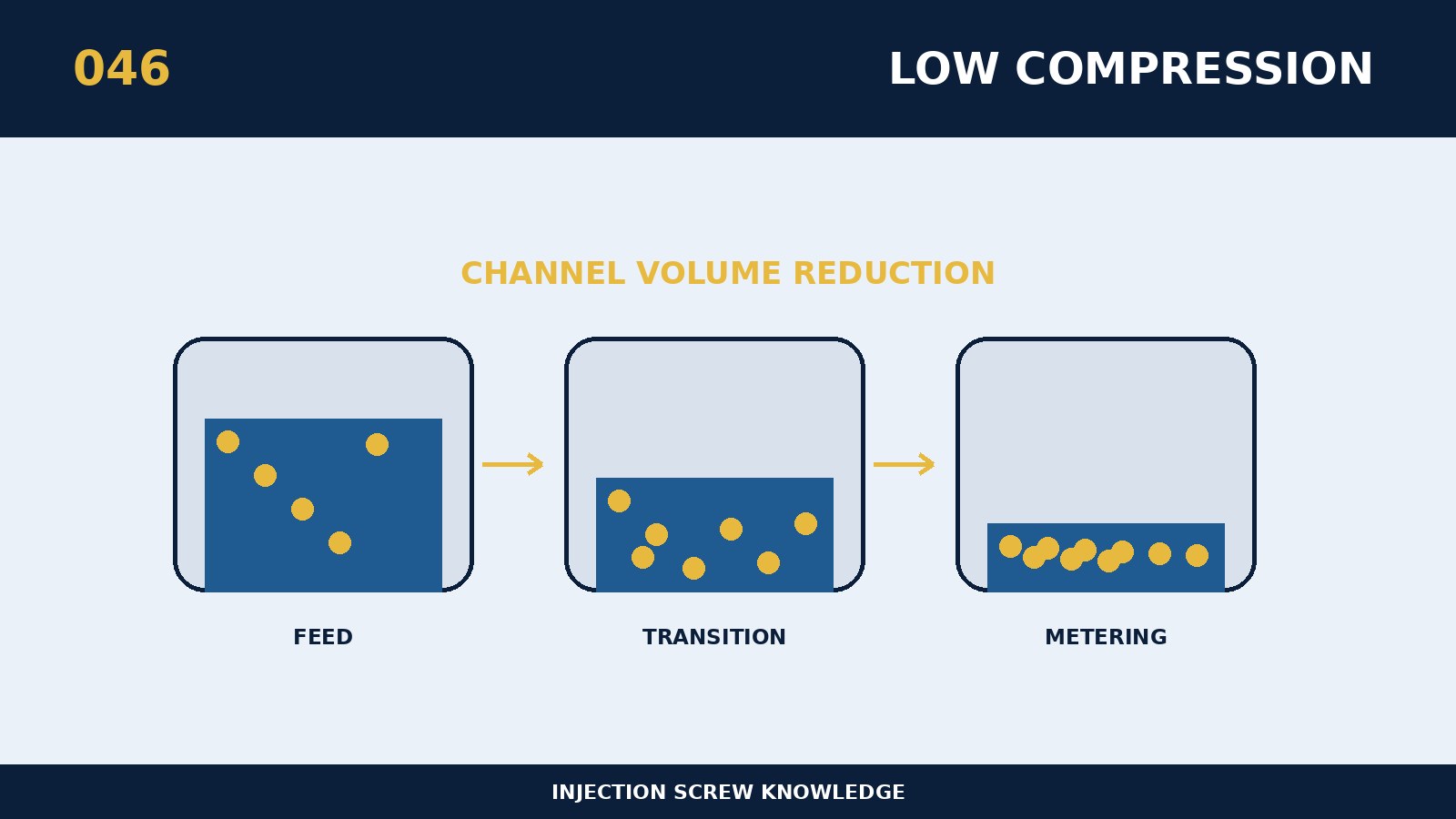
The determination of which of the cut-sensitive materials is suitable for a low compression than a screw begins with the placement of structural dimensions, material behaviour and actual production loads in the same logical chain. At its core, low compression reduces the risk of local pressure, cutting and overheating by making changes in solid bed size more smooth. The cost is reduced pressure and exhaust drive, with higher requirements for feed stability and material preheating. Compression ratios must be understood in conjunction with the length of the compressed segment, the conductor, the depth of the tank, the back pressure and the material flow, and the individual comparison is easily miscalculated. The retrofitting of old machines could begin with the re-establishment of the existing superstitious model, which compares the volume, intensity and heat history of old and new programmes with the same benchmark. Nominal specifications are therefore only the starting point, and the final conclusions must serve the actual resin, product and volume rhythm.
When customizing around what cut-sensitive materials are suitable for a low-compression-to-heavy screw, the equipment model, the original screw and the material drum are first collected for actual dimensions, driving capacity, resin plate numbers and filling systems, single mass, cycle and existing defects. The specific selection principles for this topic are: thermal sensitivity, degradability, material containing special additives or material requiring the retention of fibre lengths can be prioritized. Precision is recommended to track the mass, critical size and pressure exchange points of the product at the same time in order to distinguish between the fluctuations in plasticization and the effects of the mould or hydraulic system. The technical agreement should include quantifiable provisions for size benchmarks, key communications, material status and acceptance methods so that new, old and subsequent restorations can be compared under the same criteria.
The most needed to guard against the failure of the subject is the fact that insufficient compression carries air, unstable density or residual unmelted particles and cannot be reduced indefinitely for cooling. The screening begins with a determination of whether the anomaly occurs suddenly or increases slowly with production; the former is mostly related to carcasses, alien or process changes, while the latter is more like wear and tear. For on-site processing, only one main variable is changed each time and the measurement time, twist, melting temperature, mat, injection pressure and product weight are aligned to the same pattern. If production is to be sustained by excessive temperature, turn speed or back pressure, the use of parameters to mask structures, wear or collage should be discontinued.
This replicable option can be used to verify “what cut-sensitive materials are suitable for a low-compression ratio screw”: observation of bubbles, melting density, twisting, actual melting temperature, unmelted and product mechanics. The screws, drums and reversible rings are proposed as side acceptances, since single-sizes do not represent a suitable axis of the combination gap with the heat. Inquiries to suppliers should also be accompanied by information on resins and fillings, risk of flame retardation or corrosion, total weight of products and fluids, photographs of available screws and equipment curves. The programme is considered to have a stable engineering value when the detection data, the good product rate, the timing of the switch and the unit cost of the eligible goods are improved.