
How back pressure affects the mixing and temperature of plastics.
Release time:2026-09-26
Appropriate back pressure increases the melting pressure, exhausts and colour dispersion, while increasing cutting and measurement time. Material mechanisms, plasticization parameters, risk diagnosis and validation methods show how back pressure affects the mixing and temperature of plastics, helping to stabilize the quality of retrofitting plants and reduce waste and equipment losses.
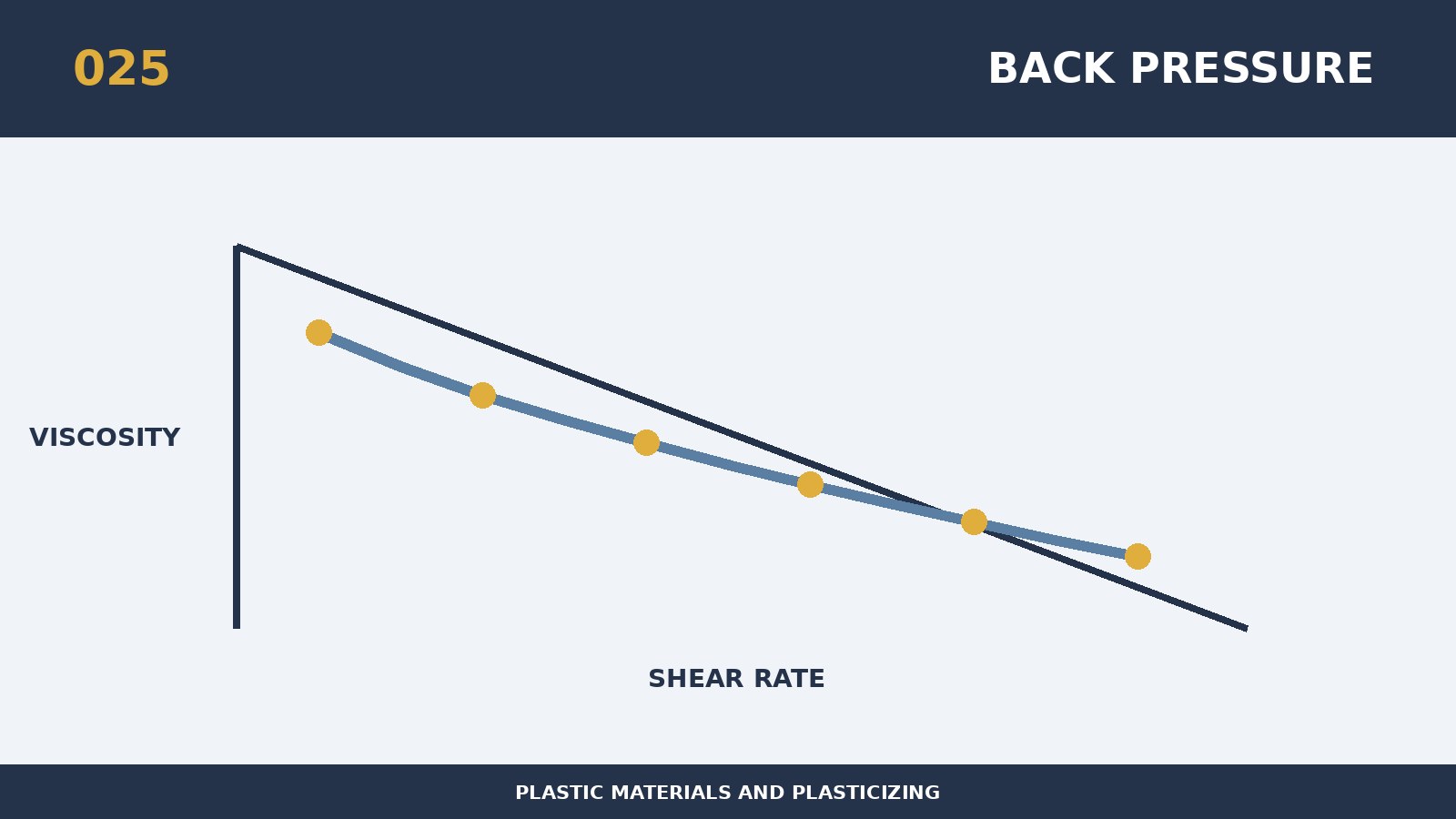
The control stability of “how the back pressure affects the mixing and temperature of plastics” begins with a distinction between the intrinsic properties of the material, the state of the material and the thermomechanical effects of the equipment. The key mechanisms for this theme are: appropriate back pressure increases the melting pressure, exhausts and colour dispersion, while increasing cutting and measurement time. Melting viscosity is influenced by both the temperature, shear rate, pressure and thermal history, and equipment values must be calibrated in measured state. Therefore, the name of the material and the recommended setting can only be used as a starting point, and the actual judgement is to return to the plate number, water, filling and assistor, the single total quantity, cycle, screw structure and product requirements to confirm whether the temperature, cut and stay of the material in the equipment is safe.
At the test simulation or volume import stage, a list of inputs around “how back pressure affects the mixing and temperature of plastics” should be established, including feedstock suppliers and batches, technical data sheets, dry conditions, colour mother and respirator ratios, equipment and screw specifications, product and flow weight, mold temperature and existing defects. It is recommended that first the batch of materials be fixed, the oven state and the mold cooling, and then that the cooling of the drums be recorded, the timing of measurements, the screw twist, the back pressure and the injection peak pressure. The main risks of this theme are overheating, return flow, fibrous damage and material degradation with high back pressure, and mixing and measurement instability. Parameters must be recorded in a specific pattern to distinguish material from equipment from operational changes.
Control methods should not begin with blindly increasing temperature or pressure, but should be based on "substance state - feed drying" The sequence of screw plasticization - nozzles and fluids - product results. Any new parameters should indicate the application of card numbers, filling ratios, respiration ratios and environmental conditions, avoiding misuse of materials with similar names but with different behaviour. The site adjusts only one main variable at a time, while observing the actual melting temperature, measuring time, screw twists, mats, injection pressure, product weight, colour, scent and critical dimensions. If production can only be sustained by extreme parameters, the use of a switch to cover the material or hardware boundary should be discontinued.
The verification of “how back pressure affects the mixing and temperature rise of plastics” suggests a replicable method: to record the twists, measuring time, melting temperature, colour differentials and product weights under the back pressure compartment. The final evaluation should be based on the unit eligible cost, incorporating scrap, clean-up, energy consumption, stop and screw-breeding. The technical agreement between the supplier and the plant shall state the material, the sampling method, the detection project, the permitted scope and the change notification requirements. The plasticization programme can only be considered to have long-term quantitative value if the product ' s probabilities, performance, cyclicality, energy consumption and maintenance costs are met in a continuous production process.