
What's the difference between the whole electron and the hydraulic plume?
Release time:2026-09-22
For all-power motivation sellers, the method of checking for plastic twisting, speed control, response and energy consumption characteristics, the analysis only ignores the risk of continuous twisting and material loads at a maximum rate of turn, and provides recommendations for the validation of the selection of the screw structure and the speed window and the time of plasticization, the twist load and energy consumption in combination with the driving curve.
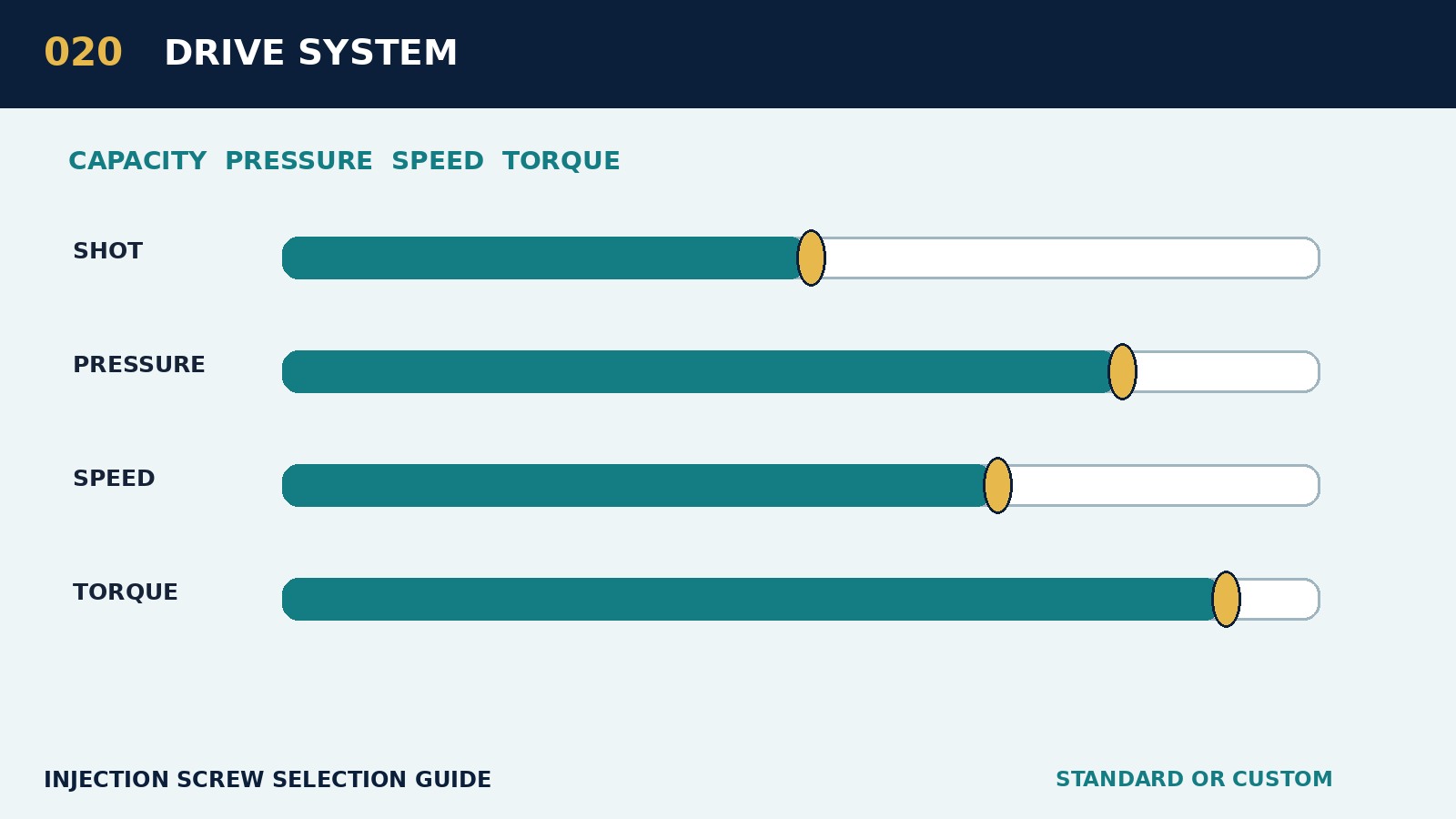
The problem with many of the drivers is not the lack of equipment capacity, but the absence of plastic twisting, velocity control, response and energy-consuming characteristics at the selection stage. Full power motor vendors can significantly reduce the risk of re-engineering and complaints if they complete the technical confirmation prior to the offer.
The platform parameters are understood separately. Locked-molecular tonnage addresses the pressure of the mould, and the reductive units address the problems of molten volume, pressure, velocity and plasticity, which cannot be replaced by one number. The salesman shall be based on the machine sign, the injection unit specification form and the actual course of the controller, and shall fix the nominal gel mass with the material density. Material analysis cannot remain under PPP, ABS or PA names. The specific plate number, the percentage of the product or mineral filling, the flame-retarding system, the water-bearing requirements, the permitted stay time and the recommended processing temperature should be checked. Differences in the sensitivity of viscosity, wear, corrosiveness and shearing may be apparent in the broad categories of the same material, which change the compression ratio, the three-part ratio, alloy and surface treatment.
It is recommended that customer information be broken down into five groups: products and moulds, raw materials, platforms, process objectives and existing problems. Product end logs of single weight, flowway, number of caves, wall thickness and appearance levels; ratio of feedstock end recorder number, melting finger, filling, flame retardation and retrofitting; terminal logs of tonnage, voltage, screw diameter, maximum travel, injection pressure and plasticization. All data are sourced and are marked, drawn, physical, measured or estimated by clients. The focus of discussion in this paper is on the shaping of the rectangular, velocity control, response and energy-consuming properties, which must correspond to the customer ' s current production conditions and not be limited to the maximum values in machine samples.
When the project is advanced, the screw structure selected in combination with the driver ' s curve can be used as the main line and an evaluation of sales, design, process and customer participation can be arranged. The evaluation focused on the completeness of the input data, whether the assumptions were confirmed by the client, whether the mechanical interfaces were matched, how standards and specialized programmes were selected, and who provided the acceptance data.
Special vigilance is required to ignore the constant twist and material load only at a maximum turn. Many of the post-sale disputes arise from inconsistencies between the design input and the actual production conditions, such as the customer ' s replacement of the raw material number, the increase in the return rate or the transfer of the screw to another set of moulds, while still requiring the maintenance of the original acceptance results. The configuration of the boundary and change management should therefore be included in the technical document.
It is recommended that the client set clear upper and lower limits around plasticization time, twister load and energy consumption, rather than simply writing " running properly " . Quantification criteria may include measurement of time fluctuations, extremely poor product weights, number of black dots, change time, hourly production or ton wear and tear, with specific projects choosing indicators that really affect business outcomes. With the continued accumulation of project data on drivers, the equipment manufacturer could gradually establish a package, industry charter and aircraft-type menu to allow sales to quickly identify general and special conditions, while at the same time placing truly complex projects in a timely manner for evaluation by application engineers.