
What are the stress losses due to the insufficient area of the screwhead?
Release time:2026-09-20
The screwhead and the anti-reverse components are the local flow lanes where the molten enters the front end from the measurement segment, and an insufficient area creates an additional pressure-down. The principles of work, selection conditions, common risks and certification methods illustrate the stress losses associated with the insufficient size of the rotor's head-stream, helping to stabilize the retrofitting plant and to reduce the full life cost of the rotor drum.
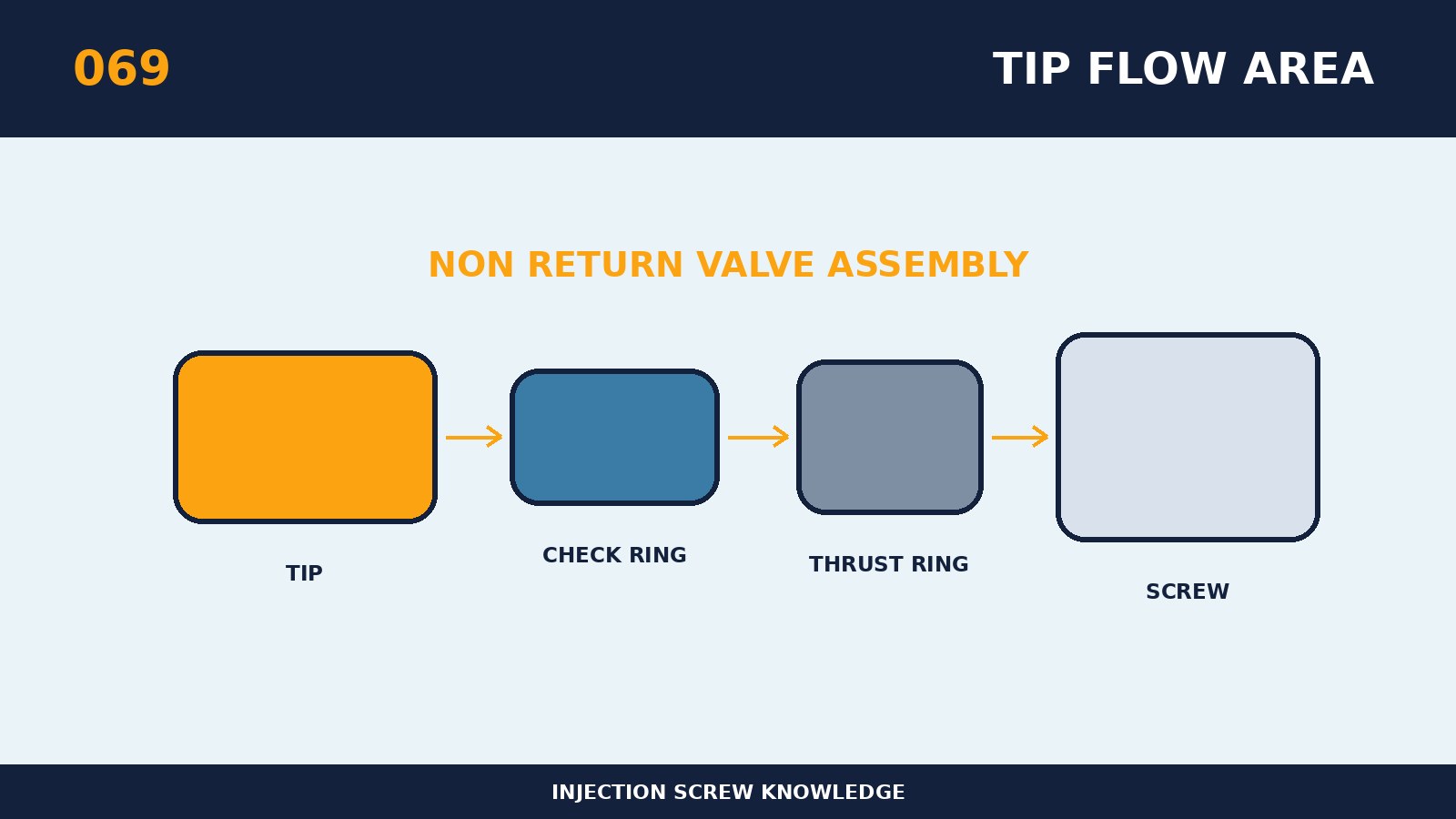
The pressure loss that would occur if the size of the screwdriver was insufficient was to be matched not only by reference to the size of the old piece or the equipment label, but also by an understanding of the true change in the material in the screw. The core is a screwhead and an anti-reverse component, a local stream where the molten enters the front end from the measurement segment, and an insufficient area creates an additional pressure reduction. When it is high viscosity or high plasticization, a narrow stream magnifies the shearing heat and limits the opening of the ring. The screwhead and the reversible ring are at the front end of high pressure, high temperature and fast-forward, and their mobility, sealing, strength and cleanness must be met simultaneously. If the same platform is to cover a variety of resins, the three extremes that are the most difficult to melt, the most afraid of cutting and the most susceptible to degradation are applied separately. Nominal specifications are therefore only the starting point, and the final conclusions must serve the actual resin, product and volume rhythm.
When customizing around “pressure losses due to insufficient area of the screw head stream”, first collects the size of the equipment model, the original screw and the material drum, the driving capacity, the resin number and filling system, the sum of the single simulator, the cycle and the existing defects. The specific selection principles for this topic are that the area of the stream should be designed in concert with the diameter of the screw, the expected flow, material viscosity and the reverse loop. The refuelling or recoloring process is subject to a separate assessment, as residuals, clean weights and opening black spots can expose dead corners that are not readily visible in steady-state production. The technical agreement should include quantifiable provisions for size benchmarks, key communications, material status and acceptance methods so that new, old and subsequent restorations can be compared under the same criteria.
The most needed to prevent the failure of the subject is that the pressure loss can be manifested in increased plasticization time, abnormal back-pressure demand, smelting temperature rise and cycling wear. The removed parts shall retain directional markings and record grinding marks, corrosive pits, discoloration and residues in the order in which the loading end reaches the front end, and establish a retroactivity map. For on-site processing, only one main variable is changed each time and the measurement time, twist, melting temperature, mat, injection pressure and product weight are aligned to the same pattern. If production is to be sustained by excessive temperature, turn speed or back pressure, the use of parameters to mask structures, wear or collage should be discontinued.
This replicable option could be used to validate “pressure losses due to insufficient area of the screwdriver”: Plastic pressure, twisting, measuring time and actual melting temperature determination bottlenecks are recorded at different spiral speeds. Material furnace numbers, heat-processing curves, surface cross-sections and terminal records can be kept for key parts to facilitate the distinction between material and use when subsequent failures occur. Inquiries to suppliers should also be accompanied by information on resins and fillings, risk of flame retardation or corrosion, total weight of products and fluids, photographs of available screws and equipment curves. The programme is considered to have a stable engineering value when the detection data, the good product rate, the timing of the switch and the unit cost of the eligible goods are improved.