
Definition and correct measurement of the length ratio of the screw
Release time:2026-09-20
Longness ratio is the ratio of a valid screw length to a nominal diameter, and the measurement baseline must be consistent for comparison. The definition and correct measurement of the long-wire ratio from the working principles, selection conditions, common risk and certification methods help to stabilize plasticization and reduce the full-life cost of the cylinders in the plume factory.
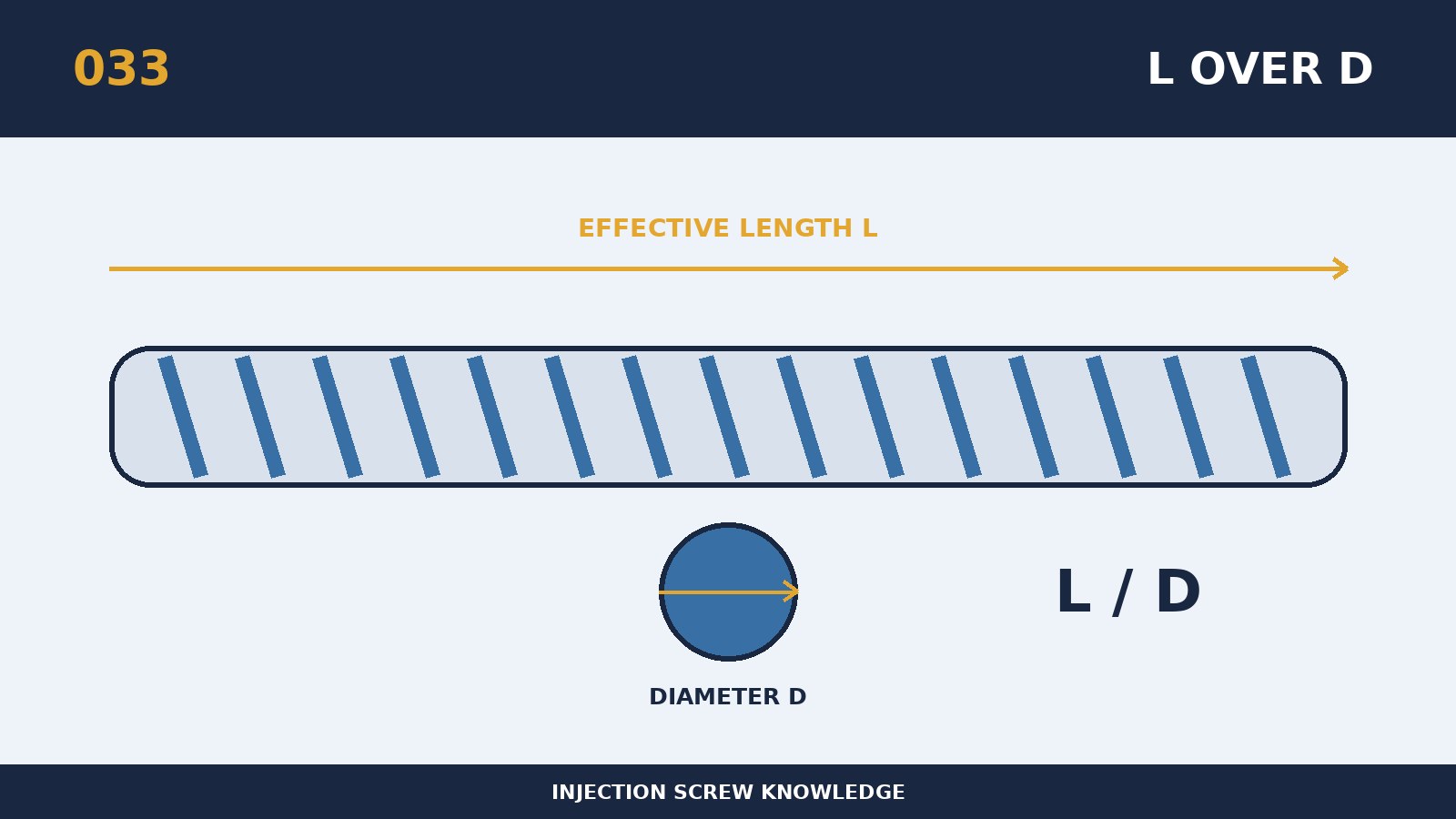
In the screw selection or failure analysis, the definition and correct measurement of the long-wire ratio of the screw are often simplified as a specification value, but in practice it needs to be interpreted in conjunction with the full performance. At its core is the longness ratio, which provides for a ratio of a valid screw length to a nominal diameter, and the measurement baseline must be consistent for comparison. Different manufacturers may use long, effective screw long or plastic long, and must first confirm the calibre. The long-range ratio is only a geometric entry, and what really determines is the effective length, distribution of the functional segments, actual production and material heat history. The design evaluation is to distinguish between “scales can be installed” and “processes can be stabilized”, the former only resolve mechanical interfaces, and the latter relate to plasticization efficiency and product quality. Nominal specifications are therefore only the starting point, and the final conclusions must serve the actual resin, product and volume rhythm.
When customizing around the definition and correct measurement of the long-wire ratio of a screw, the equipment model, the original screw and the material drum are first collected, the actual dimensions, the driving power, the resin number and the filling system, the sum of the single model, the cycle and the existing defects. The specific selection principle for this topic is that, at the time of procurement or modification, it should be clear on the drawings whether the baseline, the diameter, the length of the functional segments and the end components are included. The specimen shall keep the batch of raw materials, the baking conditions and the mold cooling, and shall determine the spiral reaction by measuring the time, peak twist and actual melting temperature. The technical agreement should include quantifiable provisions for size benchmarks, key communications, material status and acceptance methods so that new, old and subsequent restorations can be compared under the same criteria.
The most important defence against the failure of this theme is that writing only one L/D value would mask the actual structural differences and make it impossible to recreate the original process. The removed parts shall retain directional markings and record grinding marks, corrosive pits, discoloration and residues in the order in which the loading end reaches the front end, and establish a retroactivity map. For on-site processing, only one main variable is changed each time and the measurement time, twist, melting temperature, mat, injection pressure and product weight are aligned to the same pattern. If production is to be sustained by excessive temperature, turn speed or back pressure, the use of parameters to mask structures, wear or collage should be discontinued.
The validation of the definition and correct measurement method of the long-wire ratio of the screw can be used as a replicable option: cross-identify with physical, old maps, equipment information and measurement reports, and include the calculation process in the technical agreement. The results of the validation should be the denominator of the eligible products, while counting the time spent on energy consumption, cleaning, stoppage and maintenance, which is closer to real value than a separate comparison of the purchase price. Inquiries to suppliers should also be accompanied by information on resins and fillings, risk of flame retardation or corrosion, total weight of products and fluids, photographs of available screws and equipment curves. The programme is considered to have a stable engineering value when the detection data, the good product rate, the timing of the switch and the unit cost of the eligible goods are improved.