
How does a screw diameter match the theoretical amount of glue?
Release time:2026-09-20
The spiral diameter determines the effective area of the cylinder and the volume of the journey in units, which also indirectly affects the pressure, stay time and plasticization. The working principles, selection conditions, common risks and certification methods illustrate how the screw diameter should be matched with the theoretical amount of the glue, helping to stabilize plasticization and reduce the full-life costs of the screw drums in the plywood plant.
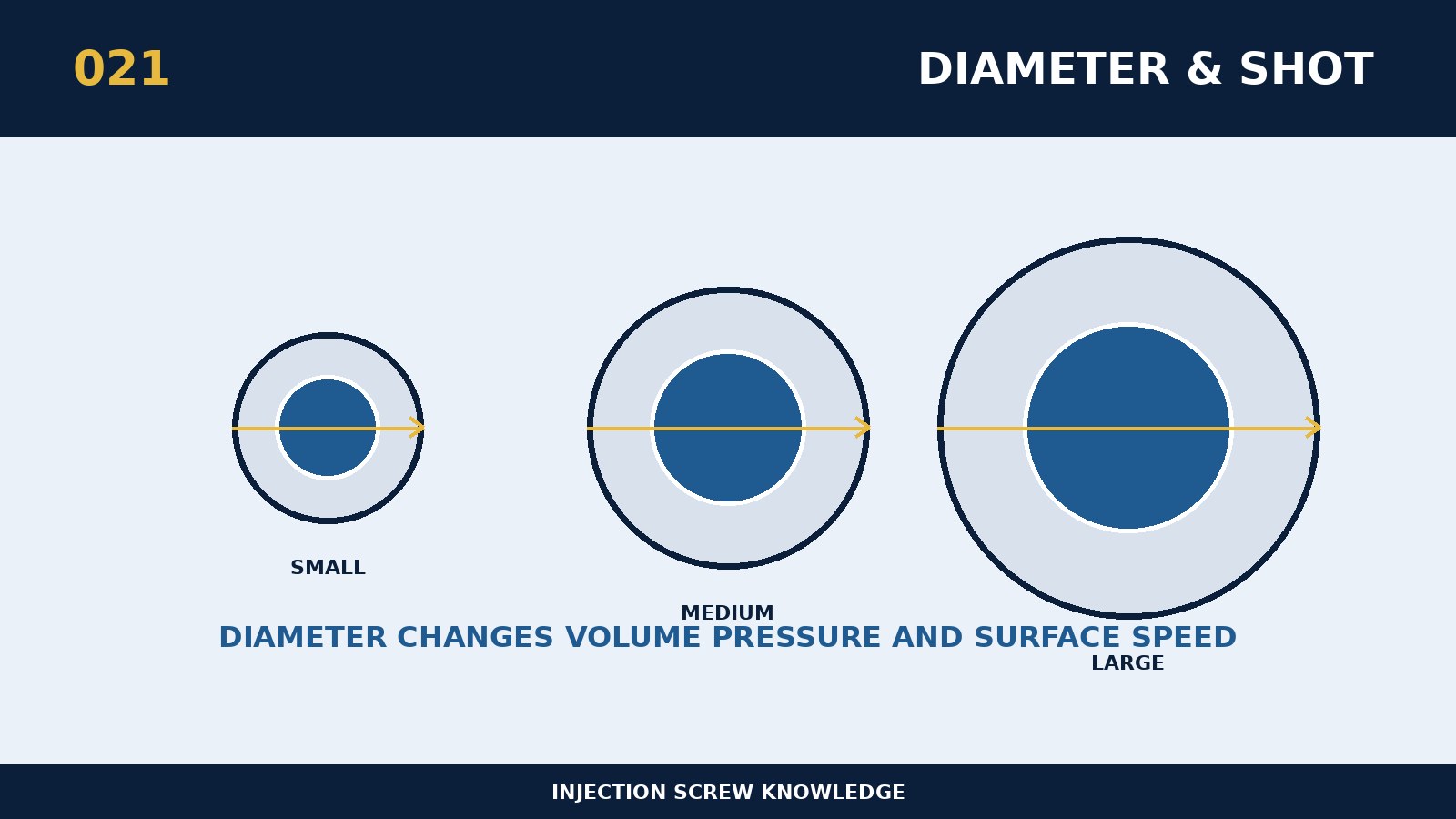
The determination of how the diameter of the screw should be matched by the theoretical amount of the glue, first to place the size of the structure, material behaviour and actual production load in the same logical chain. At its core is the spiral diameter, which determines the effective area of the plume and the volume of the journey in units, which also indirectly affects pressure, time of stay and plasticization. The larger the diameter of the same measuring itinerary, the higher the theoretical size; however, the actual gel weight is also affected by the material density. The choice of diameter involves both reductive resolution, pressure capacity, plasticization, stop time and driver load and cannot be judged by product weight alone. Parameter decision-making can be based on a failure push: short-shot, black spot, product fluctuations and overloading are listed first, and then the geometrics are identified to block the failure chain. Nominal specifications are therefore only the starting point, and the final conclusions must serve the actual resin, product and volume rhythm.
When customizing around “how to match the diameter of the screw with the theoretical amount of the glue”, the equipment model, the original spiral and the material drums are first collected for the actual dimensions, driving capacity, resin plate numbers and filling systems, single mass, cycle and existing defects. The specific selection principle for this topic is that the diameter should be chosen by the product in conjunction with the total fluid weight, material density, reasonable measurement of the itinerary and available pressure on the platform. The refuelling or recoloring process is subject to a separate assessment, as residuals, clean weights and opening black spots can expose dead corners that are not readily visible in steady-state production. The technical agreement should include quantifiable provisions for size benchmarks, key communications, material status and acceptance methods so that new, old and subsequent restorations can be compared under the same criteria.
The most important defence against the failure of the subject is that the small reductor of a big screw will prolong the material renewal cycle, while the larger retroductor of a small screw may be long and slow. A curved envelope of the normal package should be created to see if the abnormal cycle occurs at the feed, later-storage, injection start or voltage stage. For on-site processing, only one main variable is changed each time and the measurement time, twist, melting temperature, mat, injection pressure and product weight are aligned to the same pattern. If production is to be sustained by excessive temperature, turn speed or back pressure, the use of parameters to mask structures, wear or collage should be discontinued.
This replicable option could be used to verify “how the spiral diameter should match the theoretical amount of glue”: Accounting for the ratio of the actual use per model to the rated spray and continuous observation of mattresses, stop times, melting temperatures and repetition of weights. For multi-plant reproduction projects, uniform test, sample size and determination rules should be used in order to avoid subjective variations among different groups. Inquiries to suppliers should also be accompanied by information on resins and fillings, risk of flame retardation or corrosion, total weight of products and fluids, photographs of available screws and equipment curves. The programme is considered to have a stable engineering value when the detection data, the good product rate, the timing of the switch and the unit cost of the eligible goods are improved.