
How to balance PBT material with hydrolysis control
Release time:2026-09-26
PBT is fast, mobile and water-sensitive, and fibre protection is also considered for enhancement. Material mechanisms, plasticization parameters, risk diagnostics and validation methods illustrate how PBT materials combine mobility with hydrolysis control, helping to stabilize the quality of retrofitting plants and reduce waste and equipment losses.
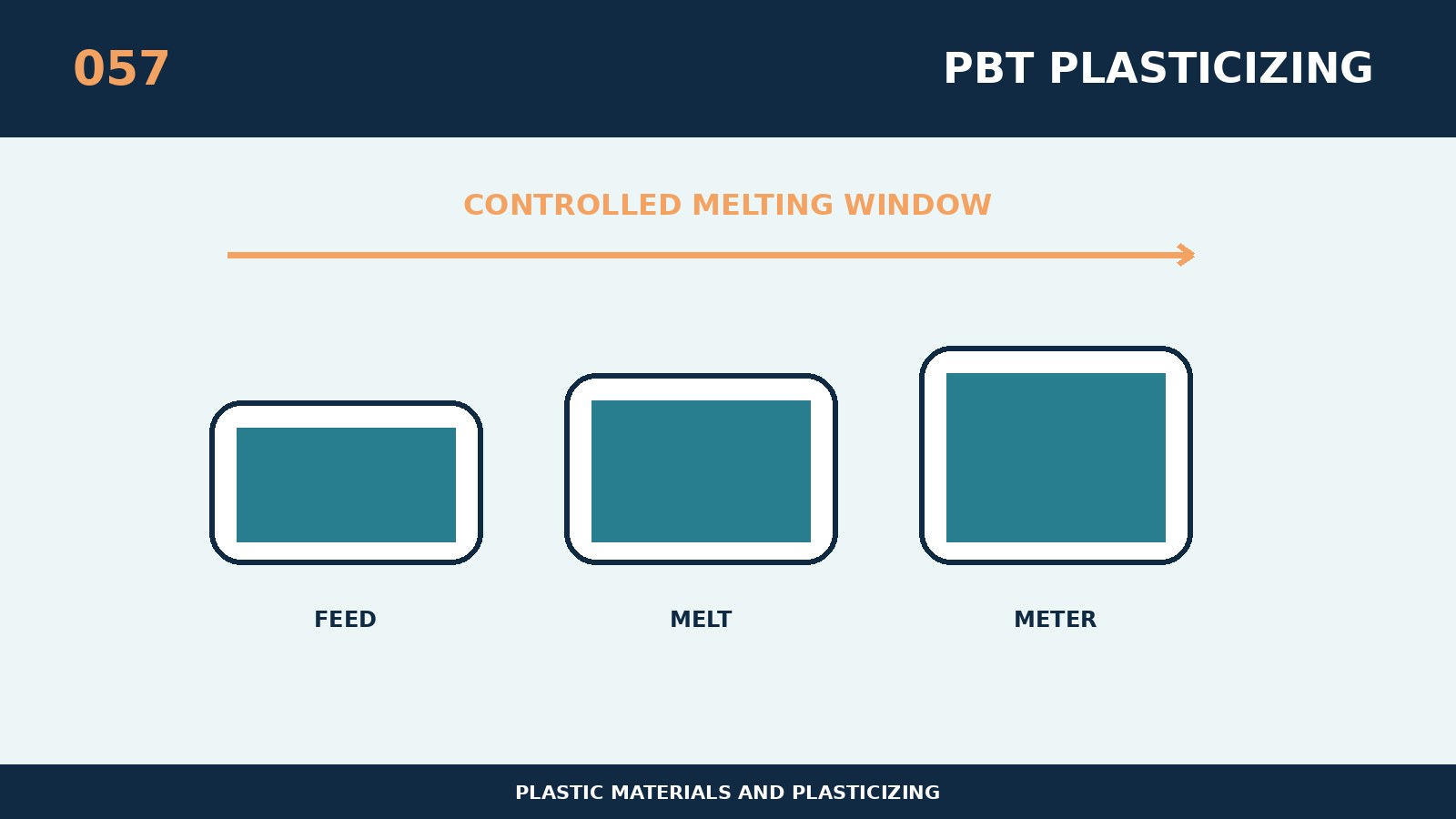
Understanding how PBT materials balance mobility with hydrolysis control requires that the physical flow of materials, heat history and equipment be placed on the same chain of causality. The key mechanisms of this theme are that PBT is fast-crystal, mobile but water-sensitive, and that enhanced grade also takes fibre protection into account. Engineering plastics are often combined with wetting, high viscosity, crystallization or heat-resisting characteristics, and the drying, melting, modulation and stay must be coordinated. Therefore, the name of the material and the recommended setting can only be used as a starting point, and the actual judgement is to return to the plate number, water, filling and assistor, the single total quantity, cycle, screw structure and product requirements to confirm whether the temperature, cut and stay of the material in the equipment is safe.
During the trial simulation or volume import phase, an input list should be established around “how to balance mobility and hydrolysis control” of PBT materials, including feedstock suppliers and batches, technical data tables, dry conditions, colour mother and retrofit ratios, equipment and screw specifications, product and flow weight, mold temperature and existing defects. It is recommended that first the batch of materials be fixed, the oven state and the mold cooling, and then that the cooling of the drums be recorded, the timing of measurements, the screw twist, the back pressure and the injection peak pressure. The main risks to the subject are that moisture and long stops reduce molecular volumes, and that high shears reduce fibres and increase wear and tear. Parameters must be recorded in a specific pattern to distinguish material from equipment from operational changes.
Control methods should not begin with blindly increasing temperature or pressure, but should be based on "substance state - feed drying" The sequence of screw plasticization - nozzles and fluids - product results. When twisting, measuring time changes at the same time as the actual melting temperature, the material, feed and wear should first be sorted out and not compensated by an increase in temperature alone. The site adjusts only one main variable at a time, while observing the actual melting temperature, measuring time, screw twists, mats, injection pressure, product weight, colour, scent and critical dimensions. If production can only be sustained by extreme parameters, the use of a switch to cover the material or hardware boundary should be discontinued.
The validation of “how to balance mobility with hydrolysis control” of PBT materials suggests a replicable approach: detection of water content, melting temperature, pressure, fibre length, contraction and intensity. It is recommended that a valid window be entered into the material database and that the approving officer, date, equipment, screw and raw material version be recorded. The technical agreement between the supplier and the plant shall state the material, the sampling method, the detection project, the permitted scope and the change notification requirements. The plasticization programme can only be considered to have long-term quantitative value if the product ' s probabilities, performance, cyclicality, energy consumption and maintenance costs are met in a continuous production process.