
Focus on plasticization of magnetic powder and metal powder filling
Release time:2026-09-26
High-density powders alter feed, deposition, heat and wear, and are more difficult to spread than general fillings. The focus on plasticization of magnetic powder and metal powder fillings is illustrated by material mechanics, plasticization parameters, risk diagnostics and certification methods, which help to stabilize the quality and reduce waste and equipment losses in the plating plant.
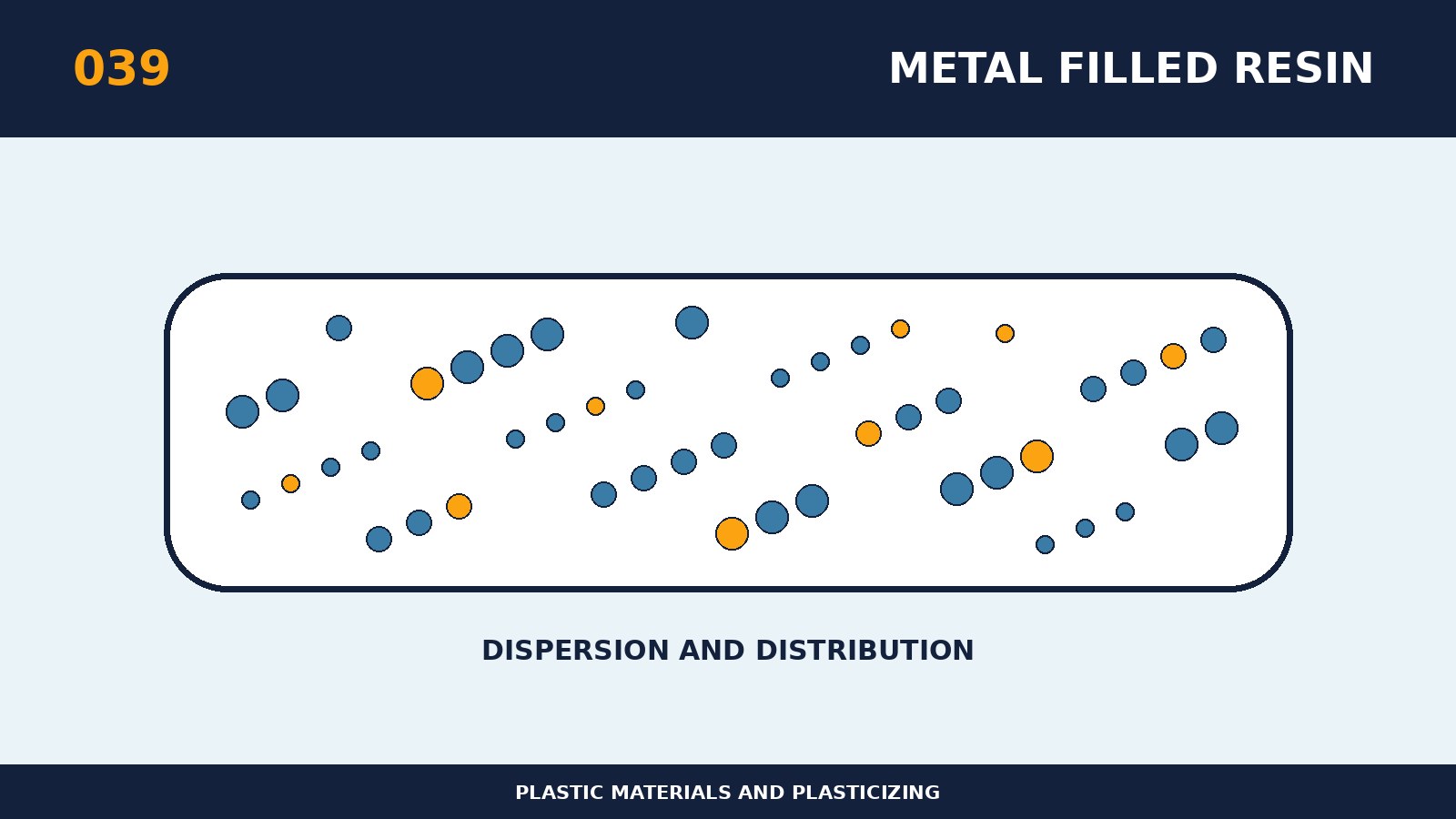
The control of “constructive focus of magnetic powders and metal powder fillers” is to be stabilized by distinguishing, first, between the intrinsic properties of the material, the state of the material and the thermomechanical effects of the equipment. The key mechanism for this theme is that high-density powders change feed, sink, guide and wear, and it is more difficult to spread evenly than common fillings. Filling, flame retardants, chromosomals and assistants alter friction, heat transfer, viscosity, corrosion and final performance, requiring a combination of formulation and equipment. Therefore, the name of the material and the recommended setting can only be used as a starting point, and the actual judgement is to return to the plate number, water, filling and assistor, the single total quantity, cycle, screw structure and product requirements to confirm whether the temperature, cut and stay of the material in the equipment is safe.
At the test-model or volume-import phase, a list of inputs should be established around the “constructive focus of magnetic powder and metal powder filling”, including feedstock suppliers and batches, technical data sheets, drying conditions, mother-to-resort ratios, specifications for equipment and screws, product and flow weights, model temperature and existing defects. The field can start with a low-risk median and change only one main variable at a time in the heat balance and keep at least a few of the constant data continuously. The main risks to the subject are the possibility of layering while staying at low speed, and the increased wear and temperature associated with high shears. Parameters must be recorded in a specific pattern to distinguish material from equipment from operational changes.
Control methods should not begin with blindly increasing temperature or pressure, but should be based on "substance state - feed drying" The sequence of screw plasticization - nozzles and fluids - product results. When twisting, measuring time changes at the same time as the actual melting temperature, the material, feed and wear should first be sorted out and not compensated by an increase in temperature alone. The site adjusts only one main variable at a time, while observing the actual melting temperature, measuring time, screw twists, mats, injection pressure, product weight, colour, scent and critical dimensions. If production can only be sustained by extreme parameters, the use of a switch to cover the material or hardware boundary should be discontinued.
The validation of “constructive focus of magnetic powders and metal powder fillers” suggests a repeatable method: detection of density and cross-section distribution, recording of twists, weights, magnetic performance and wear. Should the supplier or batch be replaced, it should be reconfirmed using the same set of tests, moulds and test conditions, rather than simply following the old conclusions. The technical agreement between the supplier and the plant shall state the material, the sampling method, the detection project, the permitted scope and the change notification requirements. The plasticization programme can only be considered to have long-term quantitative value if the product ' s probabilities, performance, cyclicality, energy consumption and maintenance costs are met in a continuous production process.