
How do you fit the screws and backs?
Release time:2026-09-22
For light-quantitative equipment manufacturers, describe the method of verification of blowing agent dispersion, melting strength, temperature and measuring stability, analyse the risk of impermeable mixing or overcuting to affect bubble holes, and provide recommendations for validation of the use of controllable mixing and stabilization measurement structures, as well as the parity of bubbles, density and product weights.
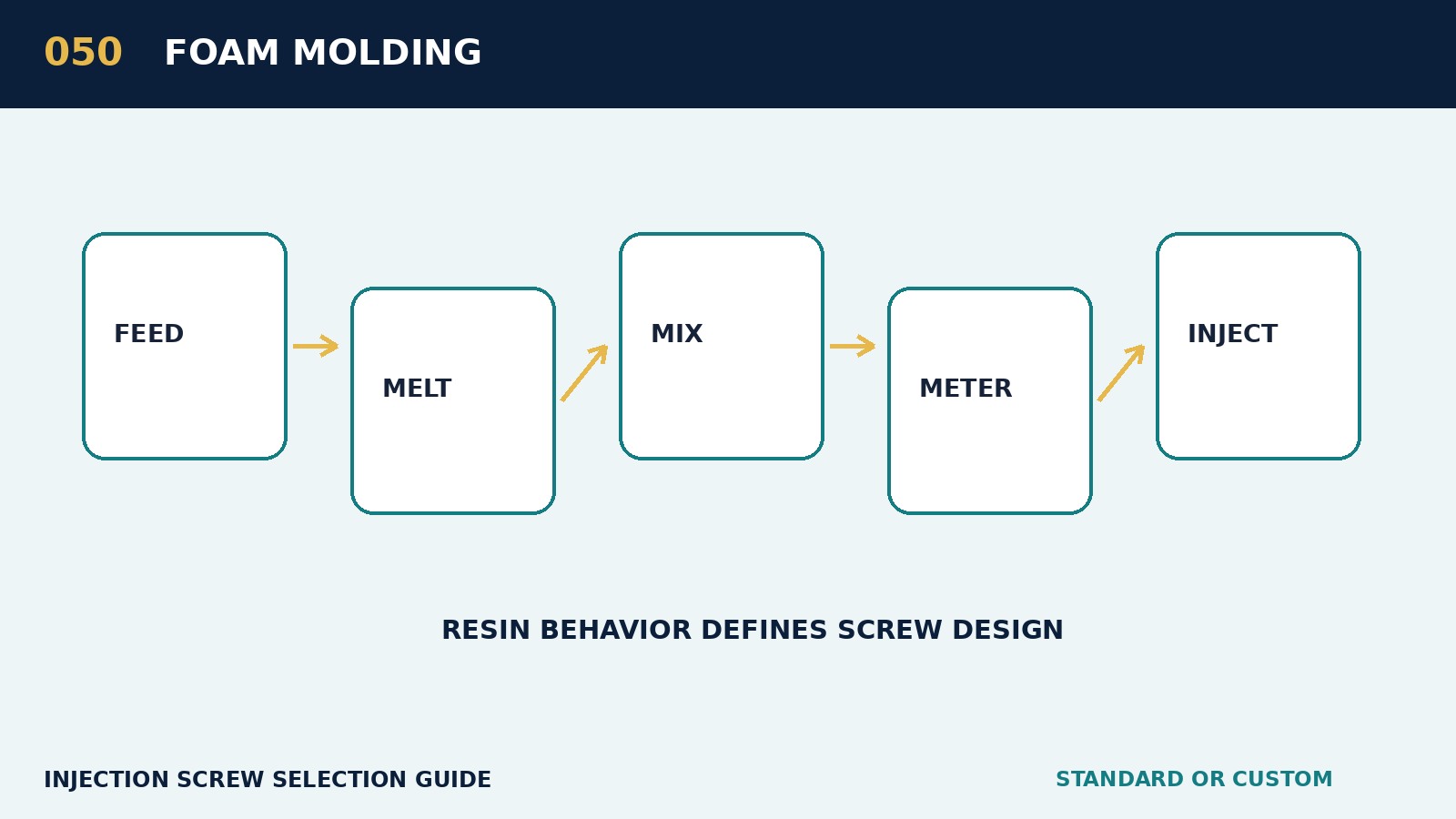
The problem with many physico-chemical foaming projects is not the lack of equipment capacity, but the absence of blowing agents during the selection phase, the melting strength, temperature and measurement stability. The ability of a light-quantitative plant manufacturer to complete the technical confirmation prior to the offer would significantly reduce the risk of re-engineering and complaints.
Additions and fillings change the demand for currents, frictions, wear, corrosion and mixing. The configuration is not limited to additions, but also focuses on particle form, carrier, fibre length, decomposition products and batch fluctuations; where necessary, the screws, drums, retroring, nozzles and dry delivery systems are evaluated together. Technical communication distinguishes between three types of objectives that must be met, desired improvement and acceptable. It is necessary to meet the hard boundary of the item for the determination of equipment and screws, and it is hoped that the improvement item will be used for the comparison of standards and specialized programmes, while the acceptable item will help to control costs and deadlines. This would avoid stacking all requirements on a screw and would make it easier for clients to understand the real value of each configuration.
Site information should preferably include both photographs, short videos and data sheets. Photos are used to identify machine interfaces, screw tails and front-end components, video can be observed to measure, buffer and abnormal sound, and data tables are used to calculate the rate of application, the need for plasticization per hour and the length of stay. If only partial information can be obtained, a list should be provided for confirmation, rather than a tentative condition being a definitive conclusion. The focus of the discussion here is fragmentation of blowing agents, melting strength, temperature and metrology, which must correspond to the customer ' s current production conditions and not be limited to the maximum values in machine samples.
The implementable option is the use of controllable mixing and stabilization measurement structures. The quoted documents should include both the applicable raw materials, the range of recommended voltage, the permitted turn-off and back pressure, the size of the interface, the material and thermal treatment, and the need for re-evaluation when marking subsequent changes to the material or the mould by the client. This would prevent the use of earmarked programmes in completely different conditions.
If they are placed quickly on an empirical basis alone, either undermixed or overcut can affect the extent to which bubble holes appear after childbirth. The success of a single test module does not represent long-term stability, particularly for projects with high filling, high temperature, frequent colour change or multi-molecular co-plasms, and needs to look at changes in batches of material, the length of continuous production and the accumulation of wear and tear.
Upon completion of the project, the result of the delivery is the flatness, density and mass of the product, and the size test, the material or thermal treatment certificate, the trial modelling record and the maintenance proposal are archived. Sales teams can return after three months or a ton agreement to compare plasticization time, energy consumption, product fluctuations and wear and tear trends. The sales proposal should answer three questions at the same time: why this selection was made, which conditions had changed and which were re-selected, and how the customer validated the results. Clearing up these three issues would make it possible for physical or chemical bubbles to move from a trade in accessories to a traceability technology project.