
Why did the snail depth gradient design change the plastic pressure?
Release time:2026-09-20
The change in the depth of the screws from the delivery to the measurement end determines the process of corrosive condensation and the pressure on solid beds and membranes. The working principles, selection conditions, common risks and validation methods explain why the deep-sink gradient design alters the plastic pressure, helps the retrofitting plant to stabilize the plasticization and reduces the full-life cost of the screw drum.
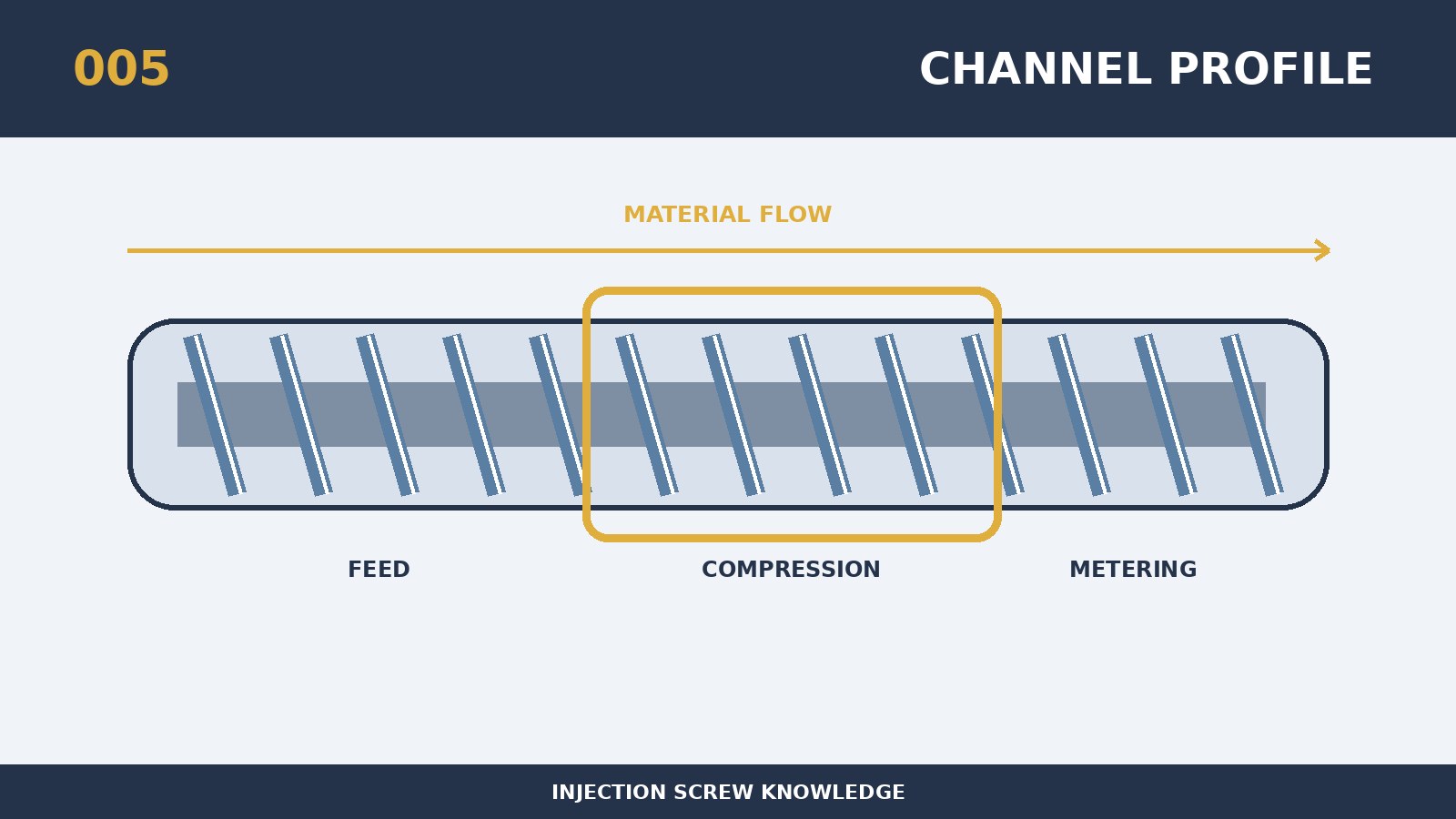
The reason why the deep-sink gradient design changes the plastic pressure is directly related to the plastic quality and equipment load, and therefore the design, procurement, switch and maintenance staff should use the same set of evaluation criteria. At its core is the shift in the depth of the screws from the delivery end to the measurement end of the determination of the compression process and the pressure on solid beds and membranes. The pressure is more stable when the gradient is smooth, with a significant increase in the probability of local cutting and demurrage during a change. Structural parameters are interconnected and any local modifications are evaluated in the complete path of transport, melting, mixing, metrology and cleaning. The design evaluation is to distinguish between “scales can be installed” and “processes can be stabilized”, the former only resolve mechanical interfaces, and the latter relate to plasticization efficiency and product quality. Nominal specifications are therefore only the starting point, and the final conclusions must serve the actual resin, product and volume rhythm.
When customizing around "Why the deep-sink gradient design changes the plastic pressure", first collects the size of the equipment model, the original screw and the material drum, the driving capacity, the resin plate number and the filling system, the sum of the single model, the cycle and the existing defects. The specific selection principle for this topic is that root change, conductivity, compression ratio and length of the compression segment should be assessed as a whole, rather than the deep of the cell alone. The refuelling or recoloring process is subject to a separate assessment, as residuals, clean weights and opening black spots can expose dead corners that are not readily visible in steady-state production. The technical agreement should include quantifiable provisions for size benchmarks, key communications, material status and acceptance methods so that new, old and subsequent restorations can be compared under the same criteria.
The most needed failure to protect the subject is that local steps or process transitions may result in high temperature points, material walling, black dots, and abnormally twisted peaks. Three types of tests can be performed without load, steady state mass and seal, with a combination of phenomena to reduce the range of geometry, wear or temperature control problems. For on-site processing, only one main variable is changed each time and the measurement time, twist, melting temperature, mat, injection pressure and product weight are aligned to the same pattern. If production is to be sustained by excessive temperature, turn speed or back pressure, the use of parameters to mask structures, wear or collage should be discontinued.
To verify why the "scaling depth gradient design changes the plastic pressure" can be used as a replicable option: check the depth curve of the slant in the processing test report and observe the balance of back pressure requirements, twists and melts at different yields. The point of review of continuous production should be triggered by production or tonnage of raw materials, which would better reflect the true load of the screw than a mere calendar time. Inquiries to suppliers should also be accompanied by information on resins and fillings, risk of flame retardation or corrosion, total weight of products and fluids, photographs of available screws and equipment curves. The programme is considered to have a stable engineering value when the detection data, the good product rate, the timing of the switch and the unit cost of the eligible goods are improved.