
Optical retrofit screw material compatibility: PC, PMMA and PPSU selection
Release time:2025-08-05
Optical retrospective screw compatibility? The core is to reduce the risks of cutting overheating and demurrage, while ensuring the polishing, measuring stability and cleaning of materials of the screws; the specific structures need to be determined in conjunction with optical indicators of materials and products such as PC, PMMA, PPSU, etc. This paper combines information on star-friend screw stations to organize selection, process and validation elements.
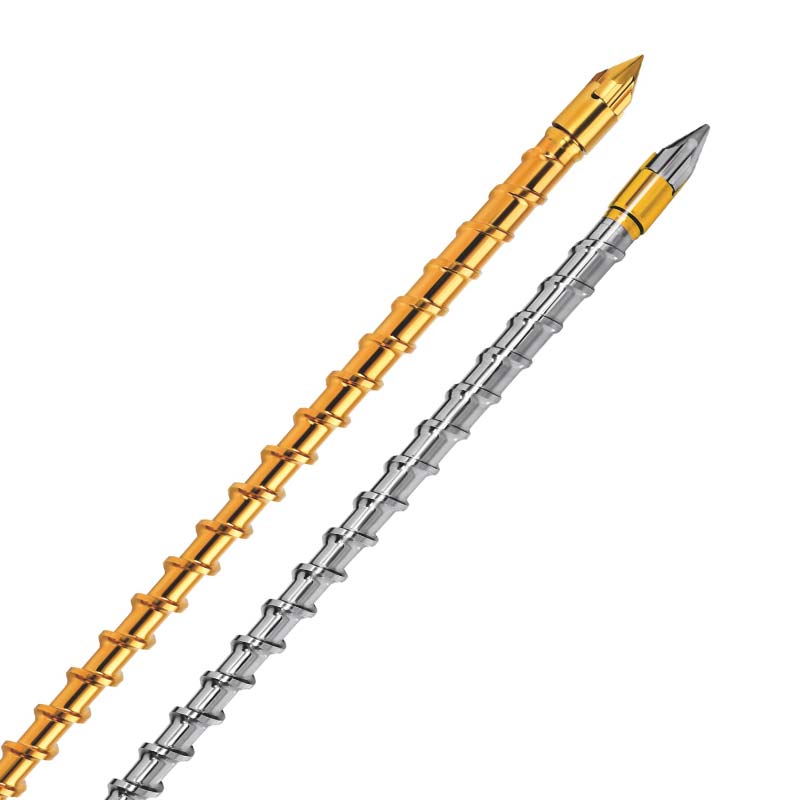
The core conclusion of optical retrofit.
The core is to reduce the risks of cutting overheating and demurrage, while ensuring the polishing, measuring stability and cleaning of materials of the screws; the specific structures need to be determined in conjunction with optical indicators of materials and products such as PC, PMMA, PPSU, etc.
Guidelines and solutions for the compatibility of optically retroplified screw materials
In the field of optical retrofitting of products, the choice of the screw directly determines the photometry, flatness and size accuracy of the product. When handling optical-grade materials, normal screws often produce silver prints, bubbles and fogs over high-level problems, such as overheating and mixing. Optical retrofits, which are specially designed to accurately match the process properties of various high-require optical materials, are the core proxies for improving the quality of optical products.
I. Catalytic cortex compatible materials for optical retrofit screws
1. Polycarbonate (PC)
As a common material, such as optical lenses, cell phone panels, the thermostat accuracy of the screws is stringent, with a narrow processing temperature (260-300°C) and more than 310°C prone to degradation, producing yellow changes, bubbles, etc. The ordinary screws have a large gap between the cylinders (0.3-0.5 mm) and the local shearing heat during high-speed rotation leads to a sharp increase in the melting temperature of 10-15°C and to a break in the PC molecular chain. The production of PC lenses at a mirror factory using a normal screw resulted in a radiance rate of only 88 per cent (92 per cent of the standard requirement) and a bad rate of up to 35 per cent.
2. Polymethylacrylate (PMMA)
PMMA (Axli) has become the preferred material for optical lenses with its high perforation rate (92-94 per cent), but this poses a challenge to the ability of the screws to mix. Optical PMMAs usually require the addition of UV stabilizers, lubricant, etc. If these additives are not evenly dispersed, they create particles of impurities greater than 0.1 mm on the lens surface, resulting in a photorefraction anomaly. The three-part structure of the normal screw lacks a precise hybrid design, resulting in a dispersion deviation of additives between 5 and 8 per cent, while optical products require dispersion of 1 per cent.
3. Acrylic hydrocarbons (COC/COP)
COC/COP, as a high-end optical material with a very low double-refraction rate and high heat resistance, is widely used in lens modules, optical prisms, etc. However, these materials are extremely viscous (the Melting Flow Index is only 1-3g/10min) and impose strict requirements on the thrust and plastic homogeneity of the spiral. The average screw compression is not reasonably designed (usually 2.5 - 3.0) and can easily lead to inadequate COC smelting, resulting in a concentration of internal stress, and to cracking in subsequent processing.
4. Collapse (PSU/PCU)
The PSU/PCU materials commonly used in the medical optical field require not only 85 per cent radiance, but also a standard of biological compatibility. The material changes if it is exposed to metal ion contamination during processing (e.g. rust on the screw surface). If there is a needle hole in the ordinary chromium plating rod, the metal ion is released, resulting in brown stripes in the PSU product.
Targeted solutions: from screw design to process optimization
Option 1: Optical screws for PC materials
Gradual compression ratio (1.8-2.0) and a light screw tank design (measured segment depth 30% less than normal screws) combined with a low-speed rotation of 50-70rpm, to keep the melting temperature within ±2°C. Spiral surfaces are subject to mirror polishing (Ra0.00.02 m) and chemically plating nickel to avoid degradation caused by PC Melting sticky walls. Following the application of the programme by a company, the perforation of the PC lenses rose to 93 per cent and the negative rate fell to less than 5 per cent.
Solution 2: PMMA Precision Blend
The addition of a barrier-type hybrid head in the measurement segment divides the molten body into dozens of layers of thin membrane by a spiral tank of 0.5 mm wide. At the same time, the separation spiral structure uses this technique to make a strict distinction between the solid transport and melting segments to prevent unmelted particles from entering the mold. The PMMA lens impurity rate fell from 12 per cent to 0.8 per cent after the use of an optical plant.
Option 3: High viscosity compatible screws applicable to COC/COP
Use the deep silo input section (20% deeper than the standard screw) and the high-twirl-crack drive system to ensure a smooth push of the high viscosity melt. The compression segment is designed to avoid a concentration of stress caused by local pressure mutations using conical gradients. Combining precise oil temperature control (±1 °C) in which COC prism-sized public differentials are within ±0.001 mm to meet the requirements for camera assembly.
Solution 4: Special screws for medical power
Powder metallurgy stainless steel (e.g. 17-4PH) is selected for overall exercise, followed by passivation treatment, and surface formation of a dense oxidized membrane to prevent metallic ion from distilling. The co-ordinated gap between the screws and the cylinders is controlled at 0.05-0.08 mm to reduce the melting time. Following application at a medical plant, the PSU light catheter poor color rate was reduced from 8 per cent to 0.3 per cent, and ISO 10993 was certified for biological compatibility.
Programme landing: from testing to full production process security
Material validation phase: Small batch test production using mini-plumbers, detection of infra-red spectroscopy degradation of materials, and photometric microscopes.
Parameter optimization: Back pressure (PC: 5-8bar; PMMA: 3-5bar) and injection speed (COC: 20-30 mm/s) avoid overcuting depending on material characteristics.
Regular maintenance: Conduct of an inspection of the screws every 50,000 mod (exterior track wear and tear ≤ 0.01 mm) and replacement of vulnerable items, such as a check of the stopring ring per 100,000 recycles to ensure long-term stability.
Value expression: from quality to cost section About
The following benefits were obtained by a company with glasses with a special screw:
The product eligibility rate was increased from 70 per cent to 95 per cent, reducing the loss of waste products by 120,000 yuan per month;
As a result of increased stability, machine adjustment time was reduced by 50 per cent and equipment utilization increased from 60 per cent to 85 per cent;
To meet the stringent requirements for optical performance of high-end clients, successful entry into the vehicle-borne lens supply chain with an order premium of 30 per cent.
The centrepiece of optical retrofit is “the precision of the material properties matching the performance of the screws”. The choice of targeted solutions not only solves common problems such as silver threads and fog, but also breaks the technical barriers to high-end optical markets, moving from “qualified” to “quality”. Customizing the screws according to material characteristics has become a key strategy for the competitiveness of optical-based enterprises.
Data to be recorded before implementation
- Material integrity number, filling ratio, flame-retarding system, refill ratio and dry condition.
- Note plastics brand, model, screw diameter, voltage, back pressure, turn speed and current screw structure.
- Indicators of product size, wall thickness, appearance or strength, and current adverse phenomena and frequency of occurrence.
- Continuous production cycle, refuelling frequency, machine clean-up method, wear and tear record and planned useful life.
How to validate the adjustment results
It is recommended that the current process baseline be established, followed by a single-variant test model. Each round records the measurement of time, melting temperature, product weight, formation cycle and bad rate, avoiding multiple parameters being changed at the same time to determine the cause. The parameters in the text are used to illustrate design thinking and should not replace material supplier data and on-site safety protocols.
What kind of support is a star-friend screw?
Starmate Mechanical Equipment Ltd. (Starfeng) in East China City can provide a reset of materials and work evaluation, screw structure, base and surface treatment options, non-spectrum customization, and trial modelling issues around optical aging screws. The submission of information on raw materials, equipment and products could lead to more targeted programmes.
Ask for customized screws immediately, or check firstNote plastic screw productwithNote Plastic SolutionsI don't know.