
How to control the length of stay when high-temperature engineering works with long screws
Release time:2026-09-20
High-temperature engineering materials need to be fully plasticized, but at high temperatures they remain too long and may be oxidized, conjunctive or degraded. The working principles, selection conditions, common risks and validation methods illustrate how high-temperature engineering works when using long screws to control the time spent on stay, helping to stabilize the plasticization plant and reduce the full life cost of the screw drum.
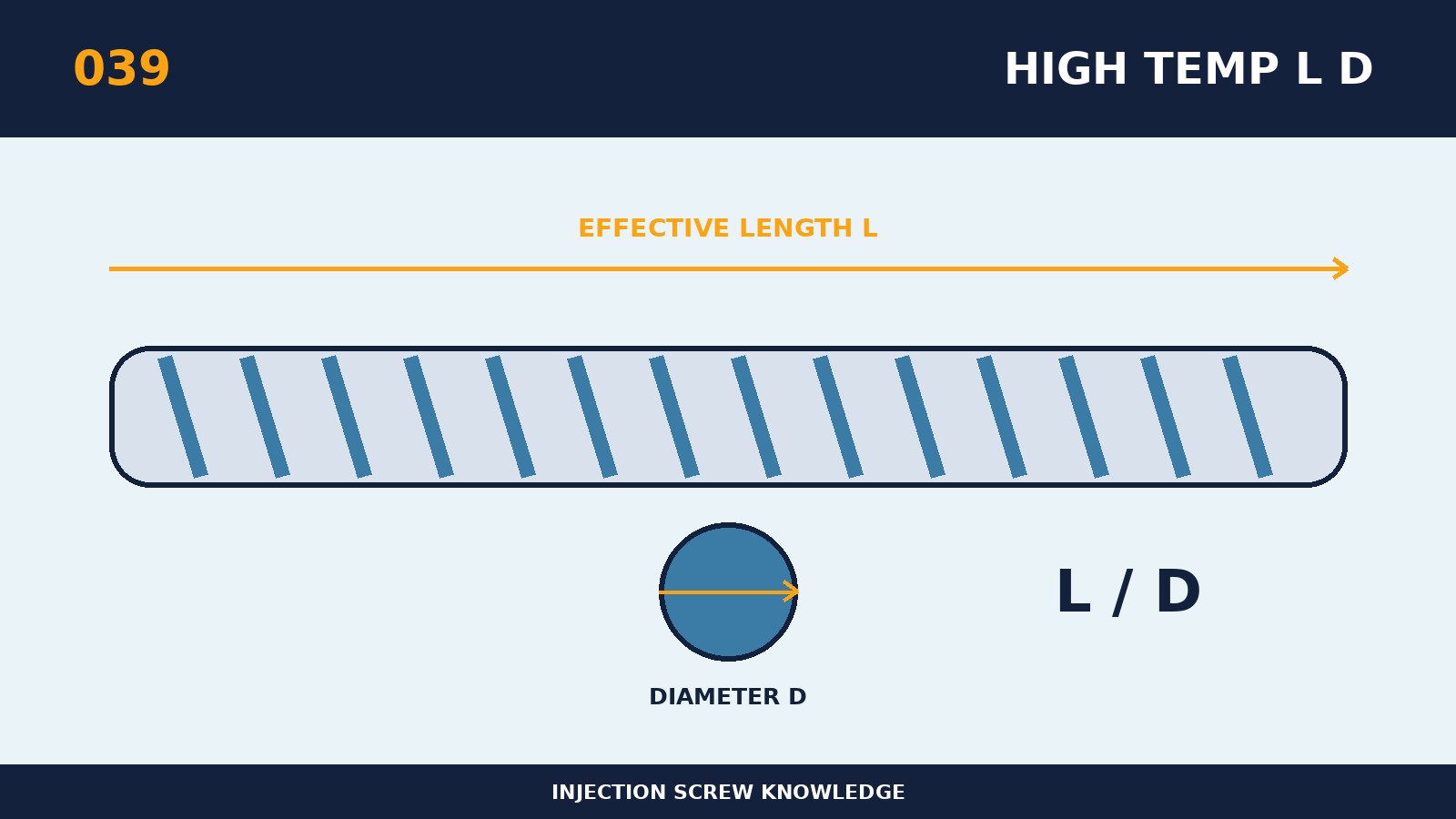
The control of the length of the stay when high-temperature engineering materials are used is to be right, not only by reference to the size of the old piece or the equipment label, but also by understanding the real change in the material in the snail. At its core, high-temperature engineering materials need to be fully plasticized, but at high temperatures they remain too long to be oxidized, conjunctivated or degraded. Long screws increase heat transfer and refining opportunities, as well as increasing the availability of materials and the difficulty of cleaning materials within the drums. The long-range ratio is only a geometric entry, and what really determines is the effective length, distribution of the functional segments, actual production and material heat history. The retrofitting of old machines could begin with the re-establishment of the existing superstitious model, which compares the volume, intensity and heat history of old and new programmes with the same benchmark. Nominal specifications are therefore only the starting point, and the final conclusions must serve the actual resin, product and volume rhythm.
When customizing around “how to control stay time when high-temperature engineering materials use long screws”, first collects the size of the equipment model, the original screw and the material drum, the driving capacity, the resin plate number and the filling system, the single mass, the cycle and existing defects. The specific selection principle for this topic is that single-modulator gels, cycles, frequency of stoppages, drying and allowing thermal history should be integrated into the selection. A more conservative plume approach begins with a medium back pressure and surface line velocity and expands the process window one by one after the heat balance. The technical agreement should include quantifiable provisions for size benchmarks, key communications, material status and acceptance methods so that new, old and subsequent restorations can be compared under the same criteria.
The most important defence against the failure of the subject is that excessive stay causes darkening colours, gases, black dots and reduced performance, and that parameter compensation is usually not cureable. A curved envelope of the normal package should be created to see if the abnormal cycle occurs at the feed, later-storage, injection start or voltage stage. For on-site processing, only one main variable is changed each time and the measurement time, twist, melting temperature, mat, injection pressure and product weight are aligned to the same pattern. If production is to be sustained by excessive temperature, turn speed or back pressure, the use of parameters to mask structures, wear or collage should be discontinued.
This replicable option can be used to validate “how to control the length of stay when high-temperature engineering materials use long screws” by establishing time estimates from feed to discharge and testing the cores with the light colours, odour, smelting viscos and performance. Both the supply and demand parties shall agree on an end-point of life prior to manufacture, such as gap, weight fluctuations, black point rate or energy consumption per unit of production, avoiding delivery and determining different calibres. Inquiries to suppliers should also be accompanied by information on resins and fillings, risk of flame retardation or corrosion, total weight of products and fluids, photographs of available screws and equipment curves. The programme is considered to have a stable engineering value when the detection data, the good product rate, the timing of the switch and the unit cost of the eligible goods are improved.