
What's the balance between melting and fibre protection?
Release time:2026-09-20
Particle friction, melting fluids and corrosive properties have changed with the addition of the fiber, and the compression design needs to be balanced with melting and protection. The working principles, selection conditions, common risks and certification methods show how the compression ratio of bovine reinforced material combines melting with protection of fibres, helping to stabilize plasticization and reduce the full life cost of screw drums in retrofitting plants.
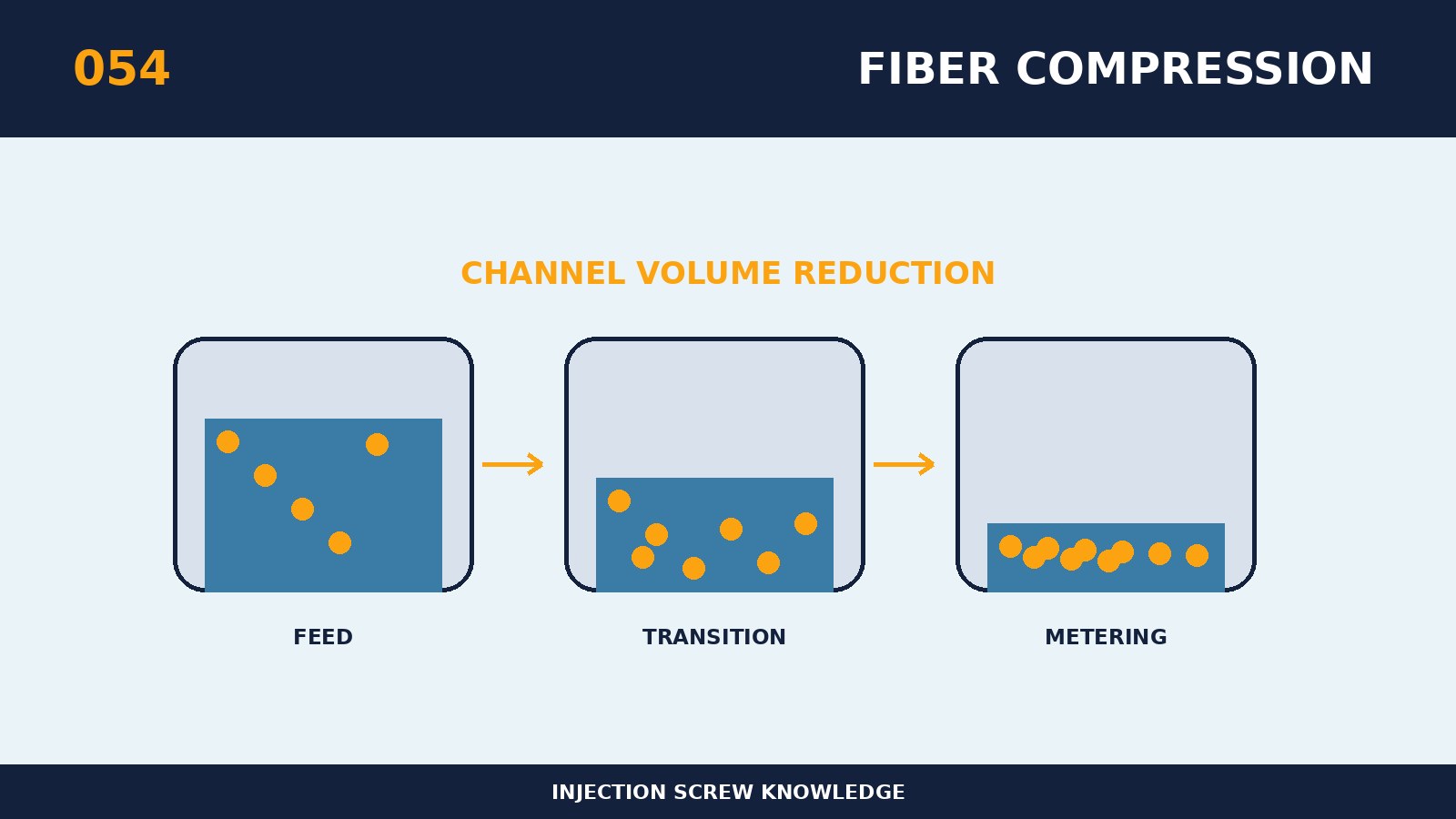
The compression of fiber-enrichment material should be compared to the combination of melting and fibre protection, not only by reference to the size of the old piece or the equipment label, but also by understanding the real change in the material in the snail. At its core are changes in particle friction, melting fluids and corrosive properties following the addition of fibres, and compression designs need to combine melting and protection. Sufficient pressure material helps to melt the resin matrix, but excessive cutting reduces fibres and accelerates snail wear. Compression ratios must be understood in conjunction with the length of the compressed segment, the conductor, the depth of the tank, the back pressure and the material flow, and the individual comparison is easily miscalculated. The design evaluation is to distinguish between “scales can be installed” and “processes can be stabilized”, the former only resolve mechanical interfaces, and the latter relate to plasticization efficiency and product quality. Nominal specifications are therefore only the starting point, and the final conclusions must serve the actual resin, product and volume rhythm.
When customizing around “bile-enrichment compression compared to how to balance melting with fibre protection”, first collects the sizes of equipment models, original screws and drums, driving capacity, resin numbers and filling systems, single mass, cycle and existing defects. The specific selection principle for this topic is that progressive compression should be selected according to the target of the calibration ratio, original length, matrix resin and product strength. Precision is recommended to track the mass, critical size and pressure exchange points of the product at the same time in order to distinguish between the fluctuations in plasticization and the effects of the mould or hydraulic system. The technical agreement should include quantifiable provisions for size benchmarks, key communications, material status and acceptance methods so that new, old and subsequent restorations can be compared under the same criteria.
The most needed to protect against the failure of the subject is the possibility that over-compression may result in increased twists, fibrous disruptions and temperature rises, and that too-low and poorly dispersed. Periodic fluctuations can be contrasted by the number of screws, the frequency of additions and the frequency of hydraulic pulses, with the characterization of the source. For on-site processing, only one main variable is changed each time and the measurement time, twist, melting temperature, mat, injection pressure and product weight are aligned to the same pattern. If production is to be sustained by excessive temperature, turn speed or back pressure, the use of parameters to mask structures, wear or collage should be discontinued.
This replicable approach can be used to verify how the “composite booster compression ratio balances melting with fibre protection”: detection of fibre length, ash fractions, stretching impact, twisting, exterior wear and warp. For multi-plant reproduction projects, uniform test, sample size and determination rules should be used in order to avoid subjective variations among different groups. Inquiries to suppliers should also be accompanied by information on resins and fillings, risk of flame retardation or corrosion, total weight of products and fluids, photographs of available screws and equipment curves. The programme is considered to have a stable engineering value when the detection data, the good product rate, the timing of the switch and the unit cost of the eligible goods are improved.