
How do you fit the grinding and perishable materials?
Release time:2026-09-22
For suppliers of high-performance material equipment, describe the check-up method for bottling, flame retardation systems, high temperature and long-term continuous production, analyse only one risk of wear and tear that will still quickly fail, and provide recommendations for certification of the use of composite alloys and contamination of critical areas with life, surface status and products.
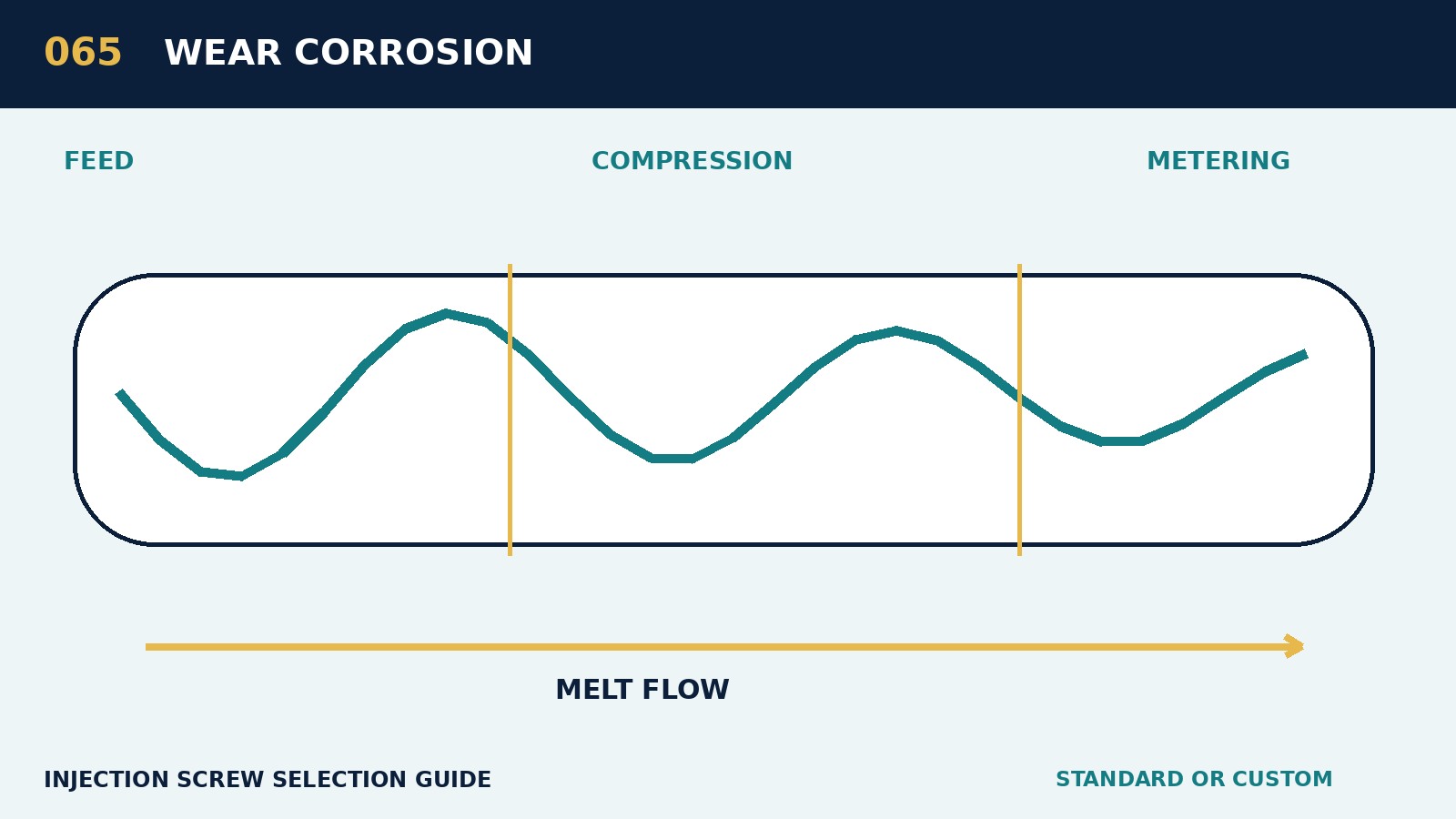
The problem with many complex projects that are resistant to grinding and decomposition is not the lack of equipment capacity, but the omission of a product, a flame retardation system, high temperature and long-term continuous production at the selection stage. The ability of the high-performance material equipment supplier to complete the technical confirmation prior to the offer would significantly reduce the risk of re-engineering and complaints.
It's not absolutely good or bad. Standard schemes are appropriate for simple work, wide material windows and priority projects; the value of a dedicated structure is clear when materials are corrosive, corrosive, hot, sensitious or production requirements exceed the generic boundary. The judgement must be based on data and failure patterns. Calculates the nominal value to be converted to the actual condition. The machine often uses PS as a reference for the gel weight, which should be revised by density when using other raw materials; the weight of the product should be added to the main course, traffic separation and a reasonable buffer. The larger the diameter of the screw, the greater the theoretical capacity, but the pressure of injections per unit area under the same hydraulic pressure or servo system will decline and the resolution of the measurement of the small amount of the aerosol may also be variable.
Material analysis cannot remain under PPP, ABS or PA names. The specific plate number, the percentage of the product or mineral filling, the flame-retarding system, the water-bearing requirements, the permitted stay time and the recommended processing temperature should be checked. Differences in the sensitivity of viscosity, wear, corrosiveness and shearing may be apparent in the broad categories of the same material, which change the compression ratio, the three-part ratio, alloy and surface treatment. The focus of the discussion here is on pelicans, flame retardation systems, high temperatures and long-term continuous production, which must correspond to the customer ' s current production conditions and not be based solely on the maximum values in machine samples.
The implementable option is a combination of alloy and a strengthening of key areas. The quoted documents should include both the applicable raw materials, the range of recommended voltage, the permitted turn-off and back pressure, the size of the interface, the material and thermal treatment, and the need for re-evaluation when marking subsequent changes to the material or the mould by the client. This would prevent the use of earmarked programmes in completely different conditions.
The main risk to the scene is that only one item that addresses wear and tear or corrosion will still lapse quickly. The issue of whether or not to be derived from a screw should first be excluded from drying, heating ring, thermal voltage, nozzles, reversible rings, wear and tearing of the material drums and changes in process parameters. The use of exclusions is more reliable than the direct replacement of components and also protects the time and cost of both the seller and the client.
Upon completion of the project, the end-of-life, surface state and product contamination were used as delivery conclusions and recommendations for size testing, proof of material or heat treatment, trial modelling and maintenance were archived. Sales teams can return after three months or a ton agreement to compare plasticization time, energy consumption, product fluctuations and wear and tear trends. The sales proposal should answer three questions at the same time: why this selection was made, which conditions had changed and which were re-selected, and how the customer validated the results. Clearing these three issues would make it possible to move from a trade in accessories to a retroactive technical project.