
How the spiral diameter alters the injection pressure conversion
Release time:2026-09-20
The hydraulic pressure or drive pressure shown by the equipment shall be converted to a melting side pressure through the effective area of the institution and the screw. The working principles, selection conditions, common risk and validation methods explain how the screw diameter alters the injection pressure conversion results, helping the retrofitting plant to stabilize plasticization and reduce the full life cost of the screw drum.
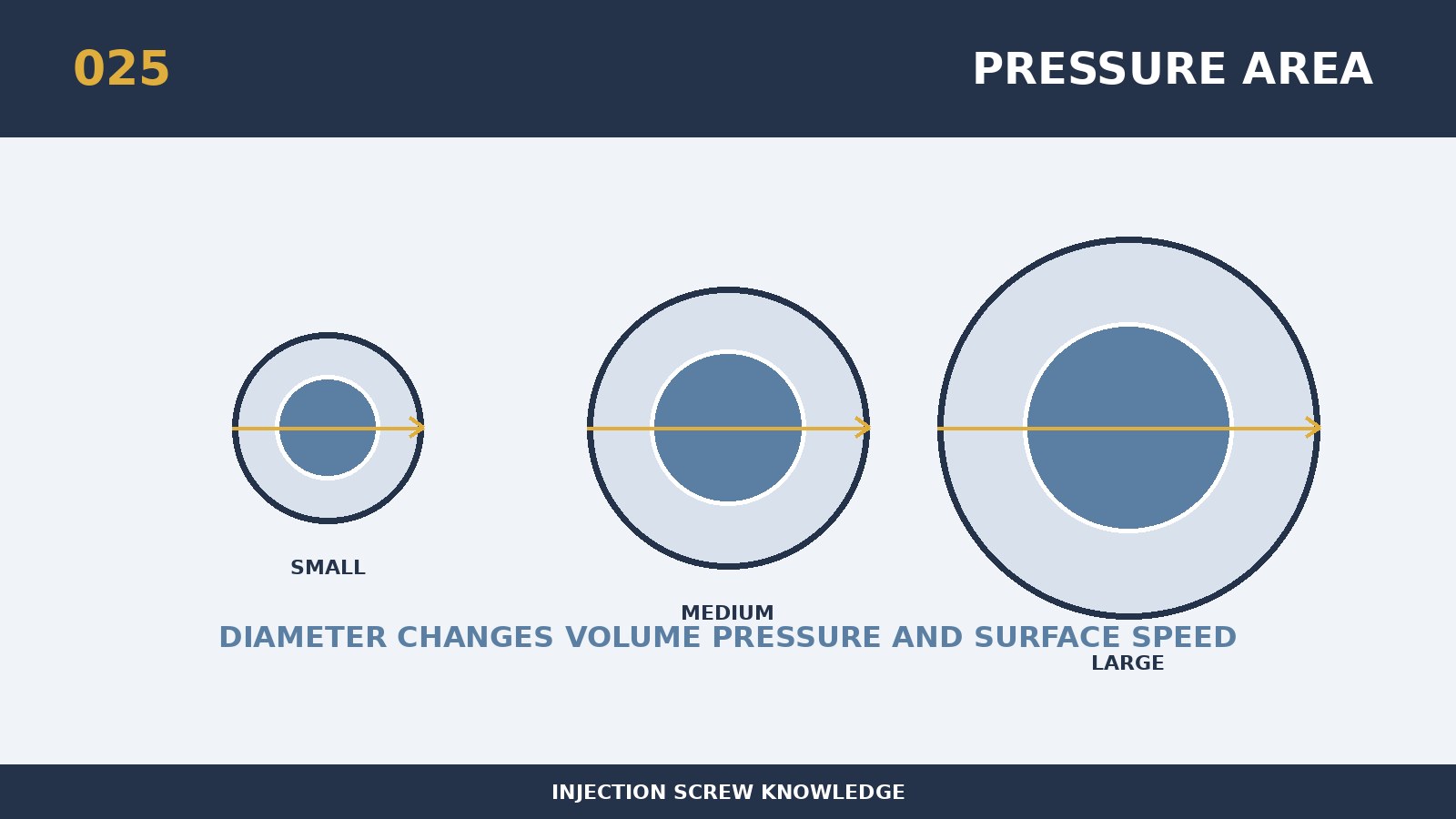
The way in which the spiral diameter changes the injection pressure conversion results is directly related to plasticization quality and equipment loads, and therefore design, procurement, switch and maintenance personnel should use the same set of evaluation criteria. The core is the hydraulic pressure or drive pressure shown by the equipment that needs to be converted to a melting side pressure through the effective area of the institution and the screw. The increase in the active area as a result of the increase in diameter changes the theoretical melting pressure available under the same thrust. The choice of diameter involves both reductive resolution, pressure capacity, plasticization, stop time and driver load and cannot be judged by product weight alone. The retrofitting of old machines could begin with the re-establishment of the existing superstitious model, which compares the volume, intensity and heat history of old and new programmes with the same benchmark. Nominal specifications are therefore only the starting point, and the final conclusions must serve the actual resin, product and volume rhythm.
When customizing around "how the spiral diameter alters the injection pressure conversion results", it collects the actual dimensions of the equipment model, the original screw and the material drum, the driving power, the resin plate number and the filling system, the sum of the single model, the cycle and the existing defects. The specific selection principle for this topic is that when a different diameter spiral is replaced, it is necessary to recheck the pressure cap, velocity capability and the specifications parameters in the controller. The specimen shall keep the batch of raw materials, the baking conditions and the mold cooling, and shall determine the spiral reaction by measuring the time, peak twist and actual melting temperature. The technical agreement should include quantifiable provisions for size benchmarks, key communications, material status and acceptance methods so that new, old and subsequent restorations can be compared under the same criteria.
The most important defence against the failure of the subject is that the use of the old diameter conversion would result in stress judgement errors that could be mistaken for resistance to the mold or sudden changes in material viscosity. Bad pictures are bound to the same pattern as the equipment curve and raw material records, otherwise only the defective name cannot be judged to have been caused by a screw. For on-site processing, only one main variable is changed each time and the measurement time, twist, melting temperature, mat, injection pressure and product weight are aligned to the same pattern. If production is to be sustained by excessive temperature, turn speed or back pressure, the use of parameters to mask structures, wear or collage should be discontinued.
Validation of “how the spiral diameter alters the injection pressure conversion results” can be used as a replicable option: conversion using equipment description, sensor calibration and actual peak curve validation, and the retention of baseline data before and after replacement. Material furnace numbers, heat-processing curves, surface cross-sections and terminal records can be kept for key parts to facilitate the distinction between material and use when subsequent failures occur. Inquiries to suppliers should also be accompanied by information on resins and fillings, risk of flame retardation or corrosion, total weight of products and fluids, photographs of available screws and equipment curves. The programme is considered to have a stable engineering value when the detection data, the good product rate, the timing of the switch and the unit cost of the eligible goods are improved.