
18-to-1 long diameter compared to what generic acoustic scenes
Release time:2026-09-20
18:1 is common in structural compact or generic applications, but the actual capacity is still dependent on three distributions and compression ratios. From the principles of work, selection conditions, common risks and certification methods, 18-to-1 long diameters are shown to be suitable for general aggregation scenes, helping to stabilize and reduce the full-life costs of screw drums.
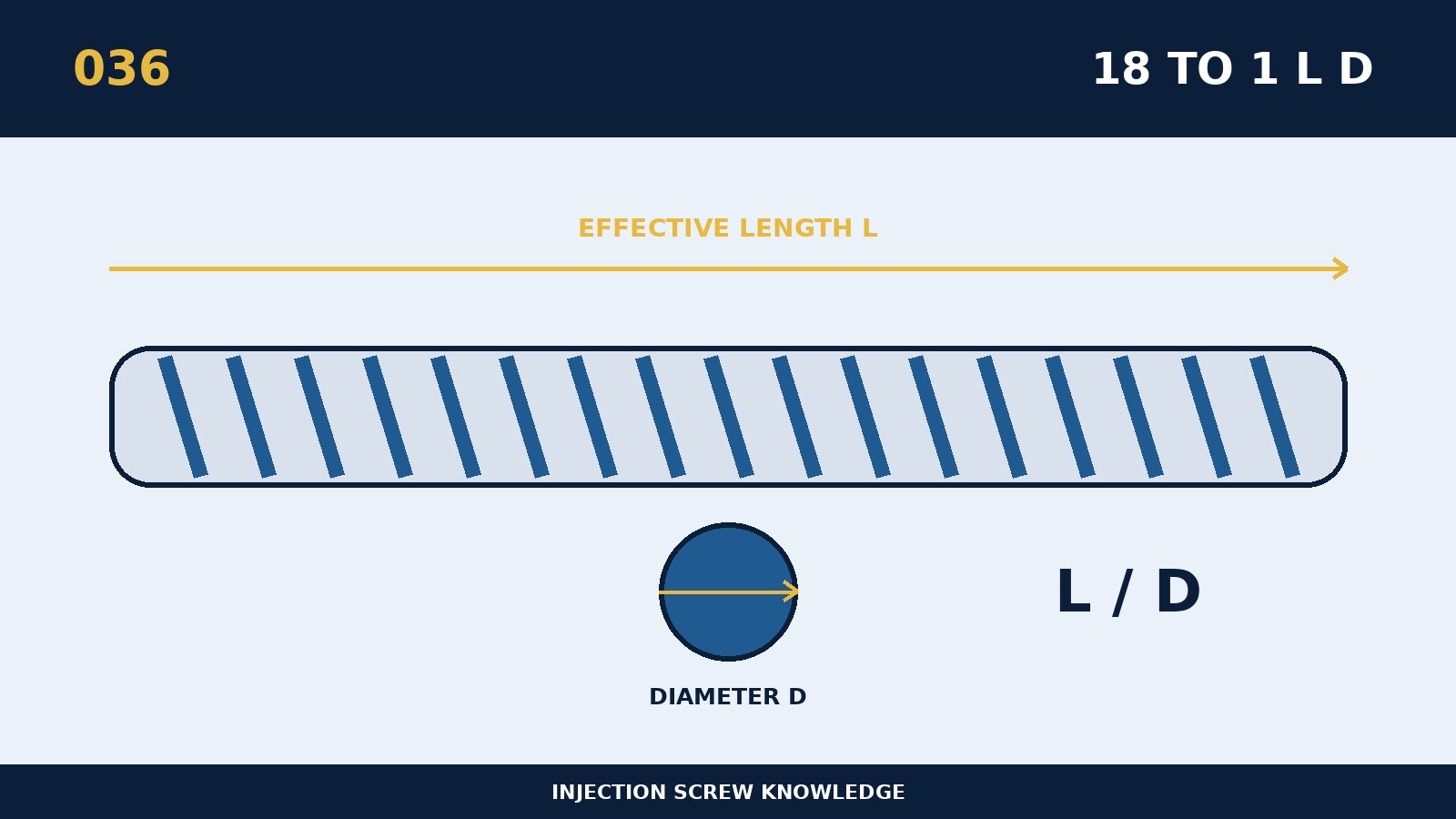
The 18-to-1 long-range comparison with what is appropriate for a generic aggregation scenes begins with the placement of structural dimensions, material behaviour and actual production loads in the same logical chain. At its core, 18-1 is common in structural compactness or universal applications, but the actual capacity is still dependent on the three-part allocation and compression ratios. Limited length requires a tight process of transport, melting and measurement, and material windows should not be too narrow. The long-range ratio is only a geometric entry, and what really determines is the effective length, distribution of the functional segments, actual production and material heat history. It is recommended that the snails be expanded and the axle-sized chain compared to the material melting route, so that it can be seen which area is actually carrying the transmission, pressure or amalgamation function. Nominal specifications are therefore only the starting point, and the final conclusions must serve the actual resin, product and volume rhythm.
When customizing around “18:1 long diameter compared to what is appropriate for generic apostrophe scenes”, the equipment model, original screws and material drums are first collected for measuring size, driving capacity, resin plate numbers and filling systems, single mass, cycle and existing defects. The specific selection principle for this topic is that general or stable production of polyolefins can be combined with plasticization and cannot be considered a fixed answer for all materials. The same mass and the same cooling time should be used for the test to record the amount of plasticization and energy consumption at a low, medium and high three-stage rotation, respectively. The technical agreement should include quantifiable provisions for size benchmarks, key communications, material status and acceptance methods so that new, old and subsequent restorations can be compared under the same criteria.
The most needed failure to guard against this theme is that, in the event of high filling, high temperature engineering or high colour differential requirements, the mixing and average temperature surplus may be insufficient. Periodic fluctuations can be contrasted by the number of screws, the frequency of additions and the frequency of hydraulic pulses, with the characterization of the source. For on-site processing, only one main variable is changed each time and the measurement time, twist, melting temperature, mat, injection pressure and product weight are aligned to the same pattern. If production is to be sustained by excessive temperature, turn speed or back pressure, the use of parameters to mask structures, wear or collage should be discontinued.
Validation of “18:1 long diameter compared to what is appropriate for generic acoustic scenarios” could be used as a replicable option: through maximum stable plasticization, unmelted, colour differential and actual melting temperature evaluation, rather than merely checking the notional specifications. Material furnace numbers, heat-processing curves, surface cross-sections and terminal records can be kept for key parts to facilitate the distinction between material and use when subsequent failures occur. Inquiries to suppliers should also be accompanied by information on resins and fillings, risk of flame retardation or corrosion, total weight of products and fluids, photographs of available screws and equipment curves. The programme is considered to have a stable engineering value when the detection data, the good product rate, the timing of the switch and the unit cost of the eligible goods are improved.