
Seal characteristics and limitations of the reversible structure of the ball valve
Release time:2026-09-20
The sphere is in contact with the valves under pressure differentials and can form a clear sealed line, and the structural response is closely related to the routing. The principles of work, selection conditions, common risks and certification methods illustrate the sealing features and limitations of the reversible structure of the ball valves, helping to stabilize the retrofitting plant and to reduce the full life cost of the rotor drums.
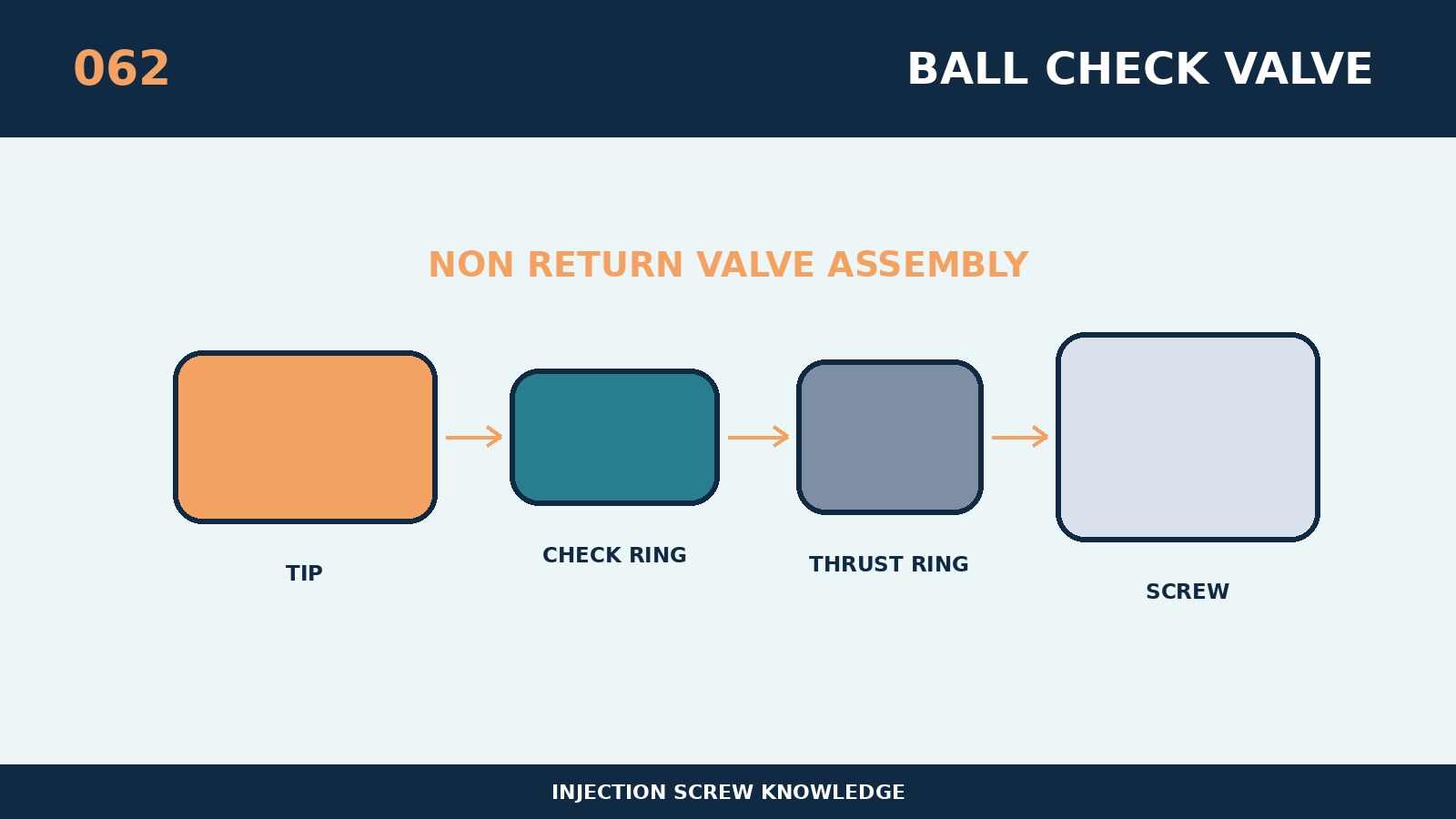
Sealed characteristics and limitations of the reversible structure of the ball are not isolated parameters, but are key conditions in the plasticization system that affect delivery, temperature rise, pressure and repetition. At its core is that the sphere is in contact with the valves under pressure differentials, which can form clear sealing lines, and the structural response is closely related to the routing. The ball valves are sealed in a more concentrated manner, but there may be pressure losses and demurrages from mobile turns and local cross-sections. The screwhead and the reversible ring are at the front end of high pressure, high temperature and fast-forward, and their mobility, sealing, strength and cleanness must be met simultaneously. If the same platform is to cover a variety of resins, the three extremes that are the most difficult to melt, the most afraid of cutting and the most susceptible to degradation are applied separately. Nominal specifications are therefore only the starting point, and the final conclusions must serve the actual resin, product and volume rhythm.
When customizing around "sealed features and limitations of the reversible structure of the ball valves", first collects the actual dimensions of the equipment model, the original screw and the material drum, the driving capacity, the resin plate number and the filling system, the single sum, the cycle and the existing defects. The specific selection principles for the topic are that it is possible to assess adhesive or specific low viscosity materials, with attention to spherical inertia, valve materials and cleaning. Precision is recommended to track the mass, critical size and pressure exchange points of the product at the same time in order to distinguish between the fluctuations in plasticization and the effects of the mould or hydraulic system. The technical agreement should include quantifiable provisions for size benchmarks, key communications, material status and acceptance methods so that new, old and subsequent restorations can be compared under the same criteria.
The most needed to prevent the loss of the valve damage, spherical grinding or foreign holding could lead to leakage, and complex fluids were not conducive to color change. When the size is still satisfactory and performance is abnormal, the same axiality, roughness of the surface, partial loss of coatings and thermal deformation are also examined and not only the outer diameter. For on-site processing, only one main variable is changed each time and the measurement time, twist, melting temperature, mat, injection pressure and product weight are aligned to the same pattern. If production is to be sustained by excessive temperature, turn speed or back pressure, the use of parameters to mask structures, wear or collage should be discontinued.
Validation of “sealed characteristics and limits of the reversible structure of the ball valve” can be used as a replicable option: test the seals with low and high-speed injections, and check pressure reduction, residues, ball circle and valve contact. If the programme involves new materials or layers, it can be scaled up in stages under controlled production, and the quality of wear and tear is reviewed at each stage. Inquiries to suppliers should also be accompanied by information on resins and fillings, risk of flame retardation or corrosion, total weight of products and fluids, photographs of available screws and equipment curves. The programme is considered to have a stable engineering value when the detection data, the good product rate, the timing of the switch and the unit cost of the eligible goods are improved.