
Why are the screws on high pressure?
Release time:2026-09-20
The screwdriver connects the screws to repeat axle impact, twist and temperature cycle, with the root being a typical fatigue sensitive area. The working principles, selection conditions, common risks and validation methods explain why helixing under high pressure is prone to fatigue, helping to stabilize plasticization in pyrotechnics and to reduce the full-life cost of screw drums.
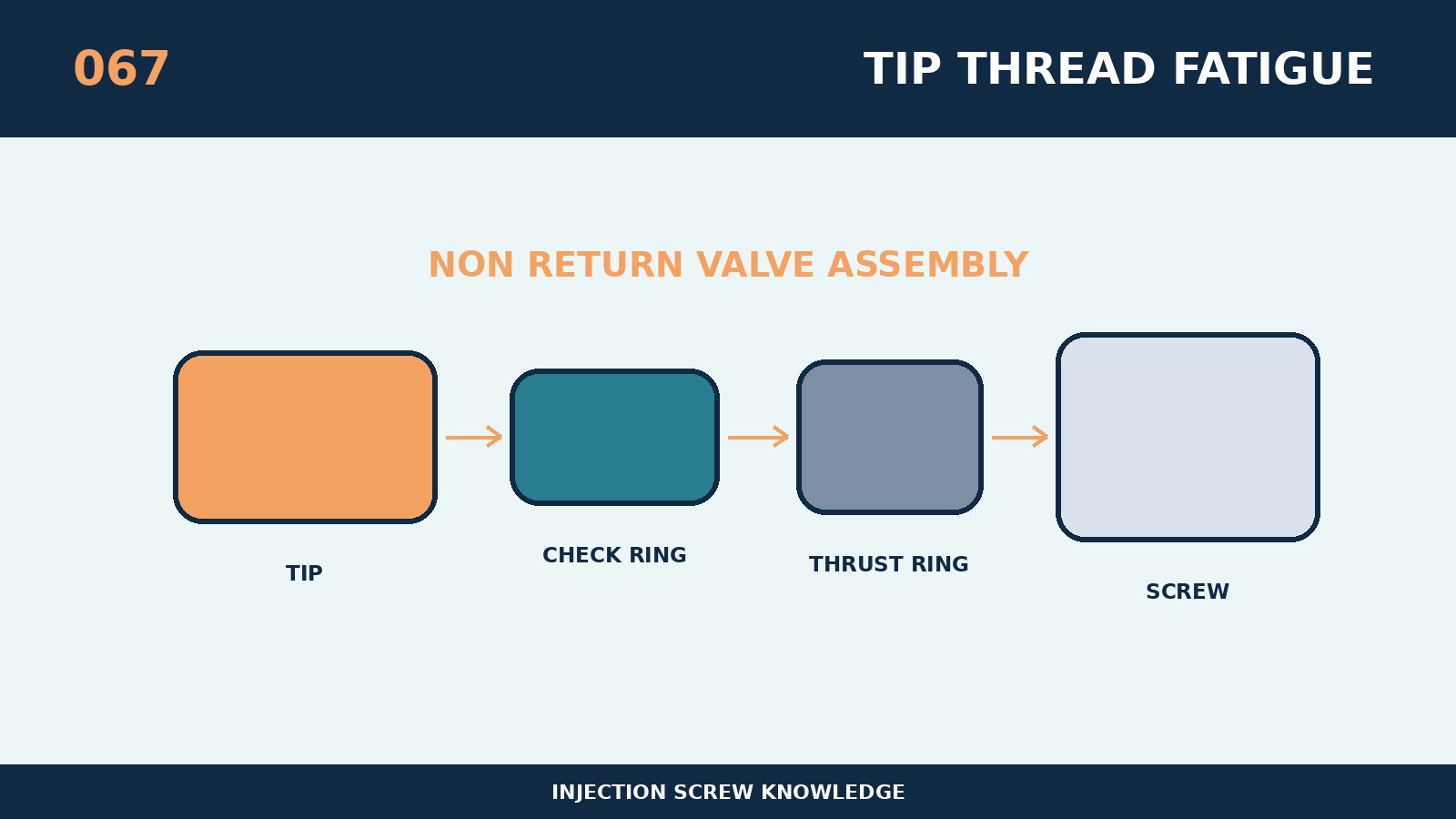
Why is the heaviness of the screws under high pressure injected is not an isolated parameter, but a key condition in the plasticization system for influencing transmission, temperature rise, pressure and repetition? Its core is a screwdriver-connected screw that withstands a repeat axis of impact, twist and temperature cycle, with the root being a typical fatigue sensitive area. Precaution, screw teeth, round corners, material resilience, thermal treatment and assembly direction affect the distribution of loads. The screwhead and the reversible ring are at the front end of high pressure, high temperature and fast-forward, and their mobility, sealing, strength and cleanness must be met simultaneously. The retrofitting of old machines could begin with the re-establishment of the existing superstitious model, which compares the volume, intensity and heat history of old and new programmes with the same benchmark. Nominal specifications are therefore only the starting point, and the final conclusions must serve the actual resin, product and volume rhythm.
When customizing around "Why is the screws under high pressure? " , first collects equipment models, original screws and material drums to measure sizes, driving capacity, resin numbers and filling systems, single aggregates, cycles and existing defects. The specific selection principle for this topic is that high-pressure high-speed production should be based on suitable connecting length and pine-proofing programmes and avoid surface burns and knife marks. The high-yield project should also reconcile the heat load of the speed-reducing box with the electric power to avoid a long-term overload of the propeller itself. The technical agreement should include quantifiable provisions for size benchmarks, key communications, material status and acceptance methods so that new, old and subsequent restorations can be compared under the same criteria.
The most important defence against the failure of this theme is that pre-cautionary stress relaxes, over-heavy or sharpness increases average stress and triggers cracks. Short-term increases in temperature or back pressure cover part of the structural problem but cannot be a long-term response if the twist, degradation or cycle deteriorates simultaneously. For on-site processing, only one main variable is changed each time and the measurement time, twist, melting temperature, mat, injection pressure and product weight are aligned to the same pattern. If production is to be sustained by excessive temperature, turn speed or back pressure, the use of parameters to mask structures, wear or collage should be discontinued.
This replicable option can be used to verify “why the heaviness of the helix under high pressure injections”: the required rectangular assembly, regular non-destructive detection and examination of pressure peaks and abnormal card history. Acceptance and inspection reports should include both actual measurements and location of points, rather than only “qualified”; critical sizes should also be kept with calibration and temperature conditions. Inquiries to suppliers should also be accompanied by information on resins and fillings, risk of flame retardation or corrosion, total weight of products and fluids, photographs of available screws and equipment curves. The programme is considered to have a stable engineering value when the detection data, the good product rate, the timing of the switch and the unit cost of the eligible goods are improved.