
What high-intensity conditions are suitable for a whole-of-the-art structure
Release time:2026-09-20
The whole or reduced front-end structure of the connector reduces the screwdriver risk and increases the rigidity of certain conditions. The working principles, selection conditions, common risk and validation methods illustrate the high-intensity profile of the overall anti-reversive structure, helping to stabilize the plastics plant and reduce the full-life cost of the screw drum.
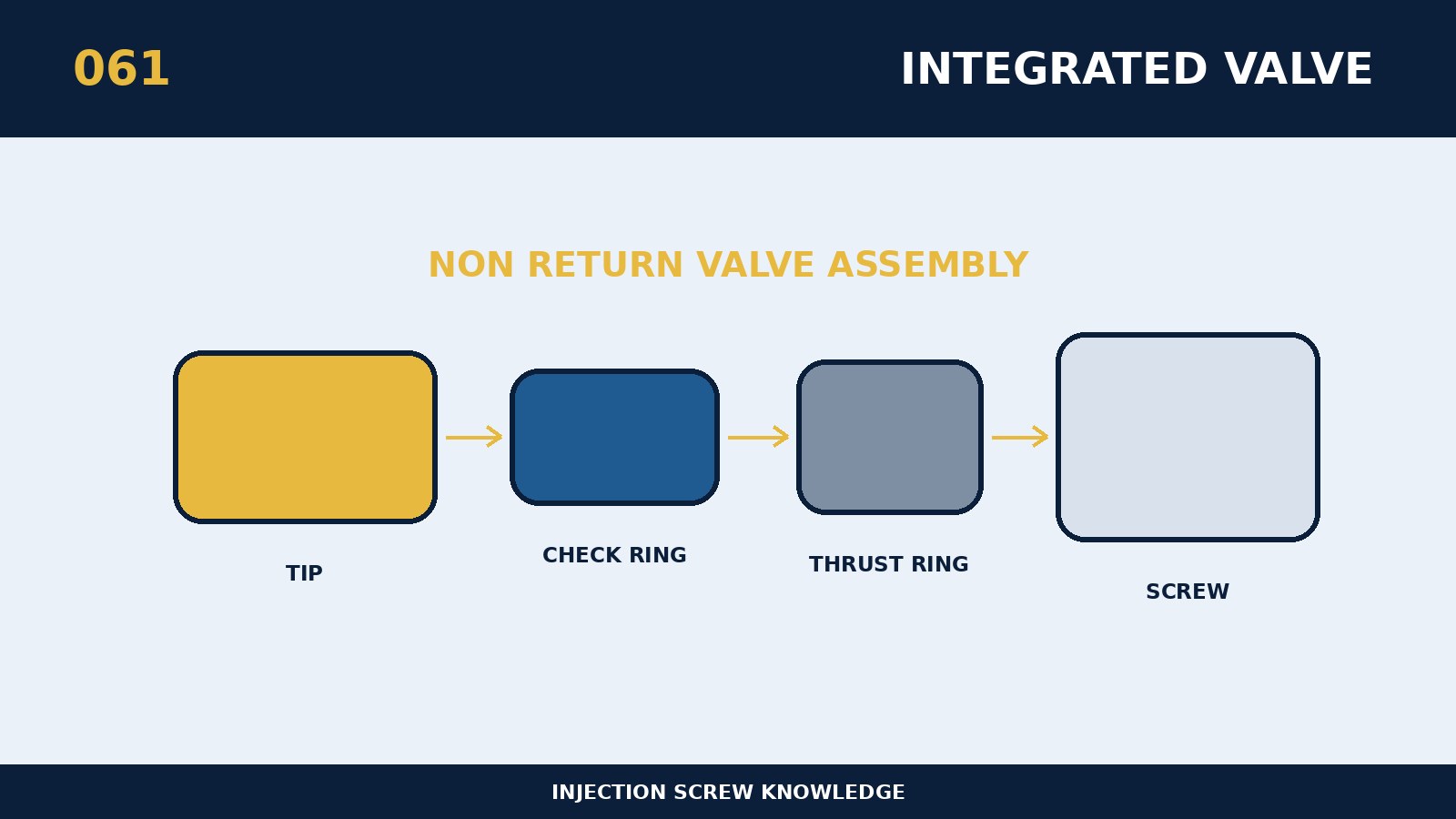
To determine which high-intensity conditions are suitable for a whole-form structure, the first is to place the size of the structure, material behaviour and actual production load in the same logical chain. Its core is a whole or reduced front-end structure for connectors that reduces screwdriver risk and enhances rigidity in certain conditions. Simplification of the structure may take place at the expense of scalability, fluid space or cleaning facilities, and needs to be weighed against application. The screwhead and the reversible ring are at the front end of high pressure, high temperature and fast-forward, and their mobility, sealing, strength and cleanness must be met simultaneously. The design evaluation is to distinguish between “scales can be installed” and “processes can be stabilized”, the former only resolve mechanical interfaces, and the latter relate to plasticization efficiency and product quality. Nominal specifications are therefore only the starting point, and the final conclusions must serve the actual resin, product and volume rhythm.
When customizing around “whoever high-intensity conditions are suitable for the whole-form structure”, first collects the size of the equipment model, the original screw and the material drum, the driving power, the resin plate number and the filling system, the sum of the single model, the cycle and the existing defects. The specific selection principles for this topic are that high-pressure, high-speed or high-frequency impact scenarios can be assessed, provided that sealing principles and maintenance programmes are confirmed. The refuelling or recoloring process is subject to a separate assessment, as residuals, clean weights and opening black spots can expose dead corners that are not readily visible in steady-state production. The technical agreement should include quantifiable provisions for size benchmarks, key communications, material status and acceptance methods so that new, old and subsequent restorations can be compared under the same criteria.
The most important defence against the failure of the subject is that the partial wear and tear of the integrated design may require an overall replacement and that the dead end may accumulate as well. Bad pictures are bound to the same pattern as the equipment curve and raw material records, otherwise only the defective name cannot be judged to have been caused by a screw. For on-site processing, only one main variable is changed each time and the measurement time, twist, melting temperature, mat, injection pressure and product weight are aligned to the same pattern. If production is to be sustained by excessive temperature, turn speed or back pressure, the use of parameters to mask structures, wear or collage should be discontinued.
This replicable option could be used to validate “whoever high-intensity conditions are suitable for a whole-size-fits-all structure”: by comparing fatigue loads, pressure loss, replicability of seals and maintenance costs with three-pack options. Both the supply and demand parties shall agree on an end-point of life prior to manufacture, such as gap, weight fluctuations, black point rate or energy consumption per unit of production, avoiding delivery and determining different calibres. Inquiries to suppliers should also be accompanied by information on resins and fillings, risk of flame retardation or corrosion, total weight of products and fluids, photographs of available screws and equipment curves. The programme is considered to have a stable engineering value when the detection data, the good product rate, the timing of the switch and the unit cost of the eligible goods are improved.